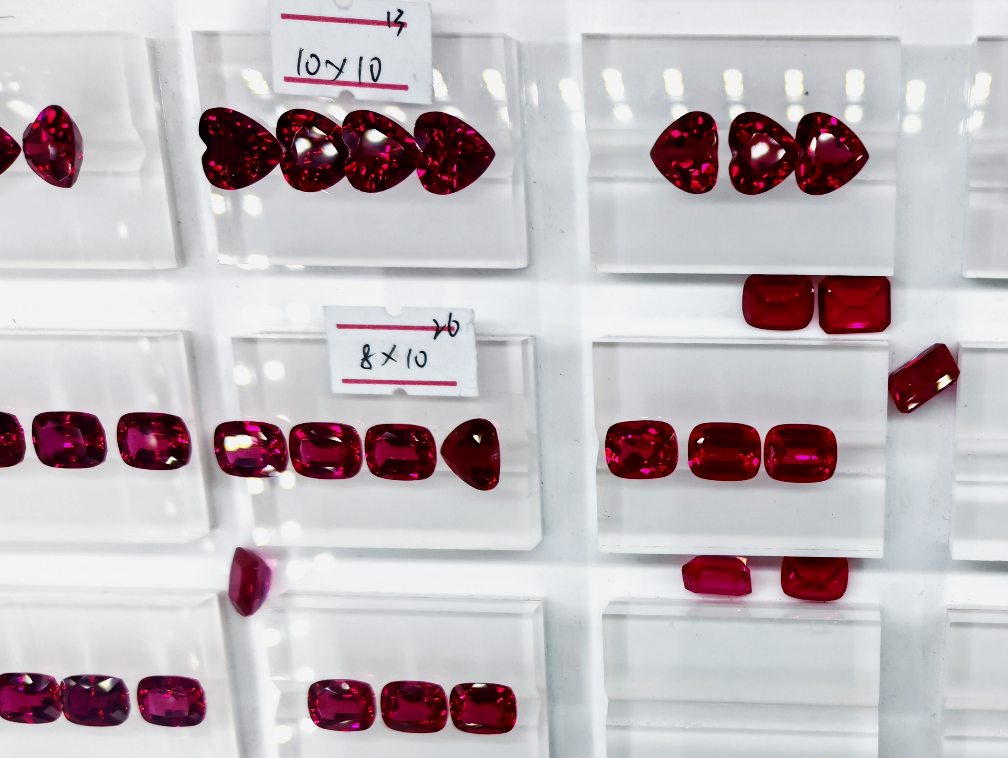
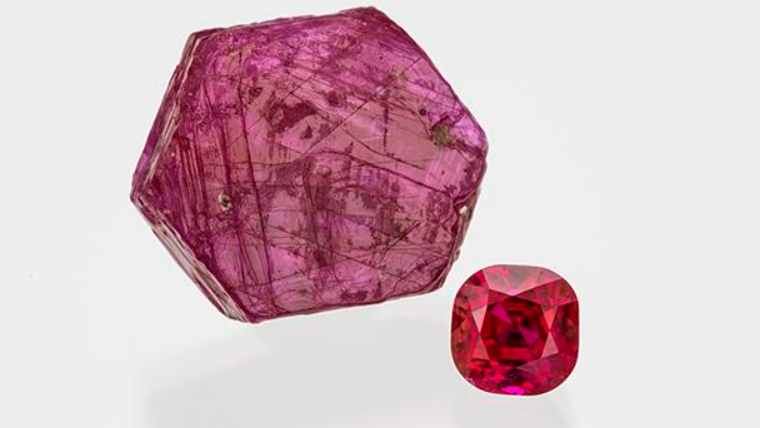
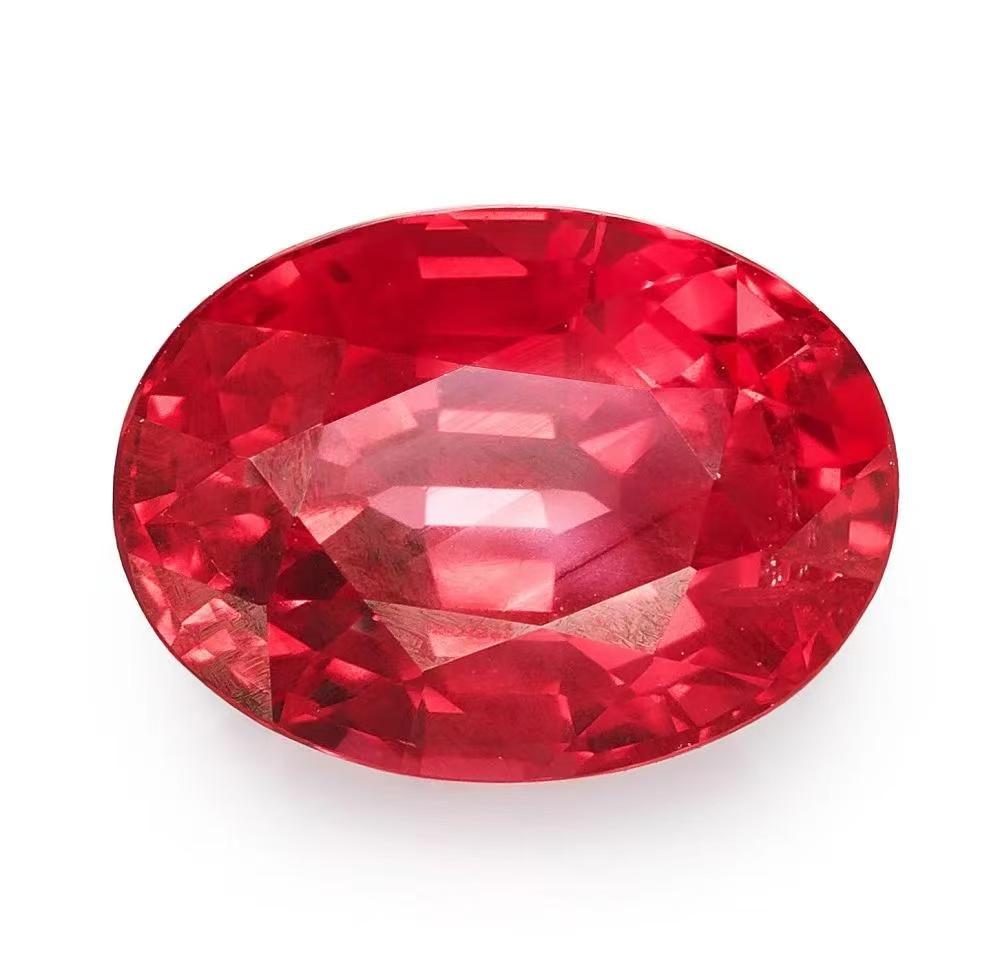
Synthetic rubies have revolutionized both the jewelry and watchmaking industries. While they may be lab-grown, they are chemically identical to natural rubies and play a critical role in both aesthetic and industrial applications. In this article, we will explore the origins, evolution, and widespread use of synthetic rubies across time.
What is a Synthetic Ruby?
Synthetic ruby is a man-made crystal composed of aluminum oxide (Al2O3) infused with chromium, which gives it the distinctive red color. Although grown in a lab, it shares the same chemical, optical, and physical properties as its natural counterpart.
The Invention: When and Who?
The first synthetic ruby was successfully created in 1902 by French chemist Auguste Verneuil. His process, now called the Verneuil Process or flame-fusion method, involves melting aluminum oxide powder with trace amounts of chromium using an oxyhydrogen flame.
Commercial Availability
Shortly after Verneuil’s breakthrough, synthetic rubies became commercially available. By the 1910s, gem-quality and industrial-quality rubies were being produced at scale for use in tools, watches, and eventually jewelry.
Why Are Synthetic Rubies Used in Watches?
Synthetic rubies have been used in mechanical watches since the early 20th century as jewel bearings. Their hardness and low friction reduce wear and ensure long-term precision.
- Durable under constant movement
- Resist wear and tear better than metal
- Essential for high-end mechanical movements
Rise in Jewelry Use
Synthetic rubies gained widespread popularity in jewelry after World War II, especially during the 1950s to 1970s. With their vibrant color and lower cost, they became a staple in affordable yet elegant rings, pendants, and earrings.
Beyond Jewelry and Watches
Today, synthetic rubies are not just for adornment. They are also used in:
- Laser technology
- Optical components
- Scientific instruments
FAQ: Synthetic Ruby & Its History
When was synthetic ruby invented?
In 1902 Auguste Verneuil used a flame-fusion technique.
Who invented synthetic ruby?
French chemist Auguste Verneuil.
When did synthetic rubies become available?
They became commercially available shortly after 1902.
When were synthetic rubies used in watches?
Since the early 20th century precision jewel bearings in mechanical watches.
When were synthetic rubies popular in jewelry?
Most notably from the 1950s to the 1970s.
Why are synthetic rubies better for watches?
They offer low friction, are extremely durable, and can be precisely manufactured.
Are synthetic rubies real rubies?
Yes. They are chemically and physically identical to natural rubies.
Can you tell synthetic from natural rubies?
Not by eye. Specialized tools are needed to identify growth patterns and inclusions.
Do high-end watches still use synthetic rubies?
Yes, brands like Rolex and Omega use synthetic rubies in their movements