1. What Are Cell Phone Screens Actually Made Of?
Modern smartphone screens are primarily made from chemically strengthened glass, most commonly Corning Gorilla Glass. This material is a type of aluminosilicate glass that has been treated with an ion-exchange process to enhance scratch resistance, durability, and shock absorption.
Gorilla Glass is transparent, lightweight, and relatively inexpensive to mass-produce—making it the go-to material for screen manufacturers worldwide.
2. What Is Synthetic Ruby—and Why Is It So Tough?
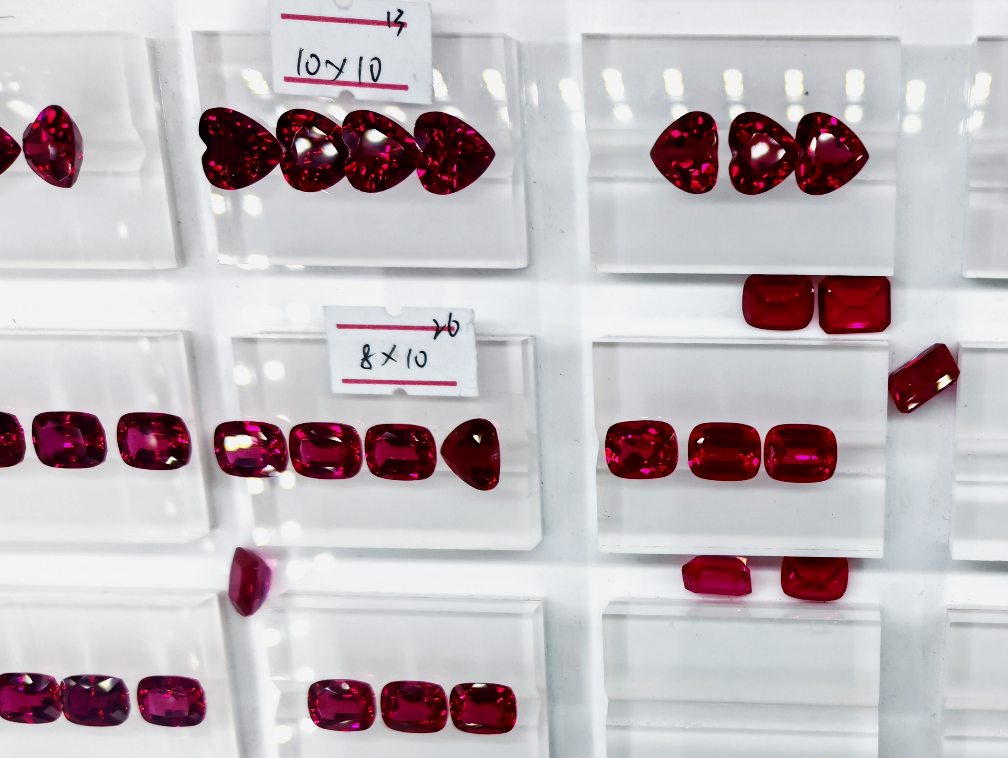
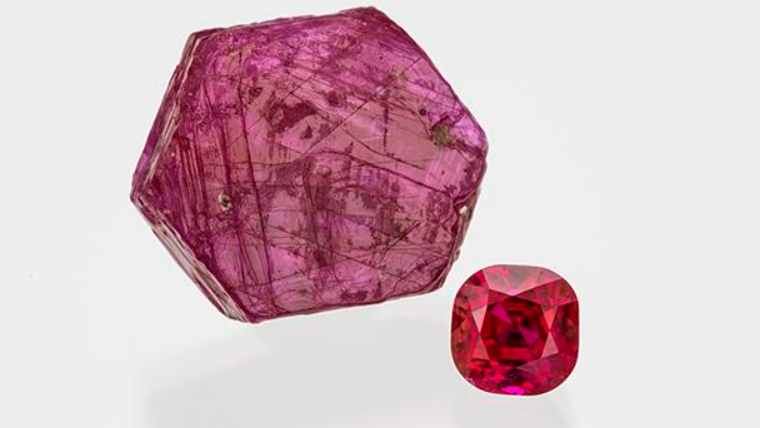
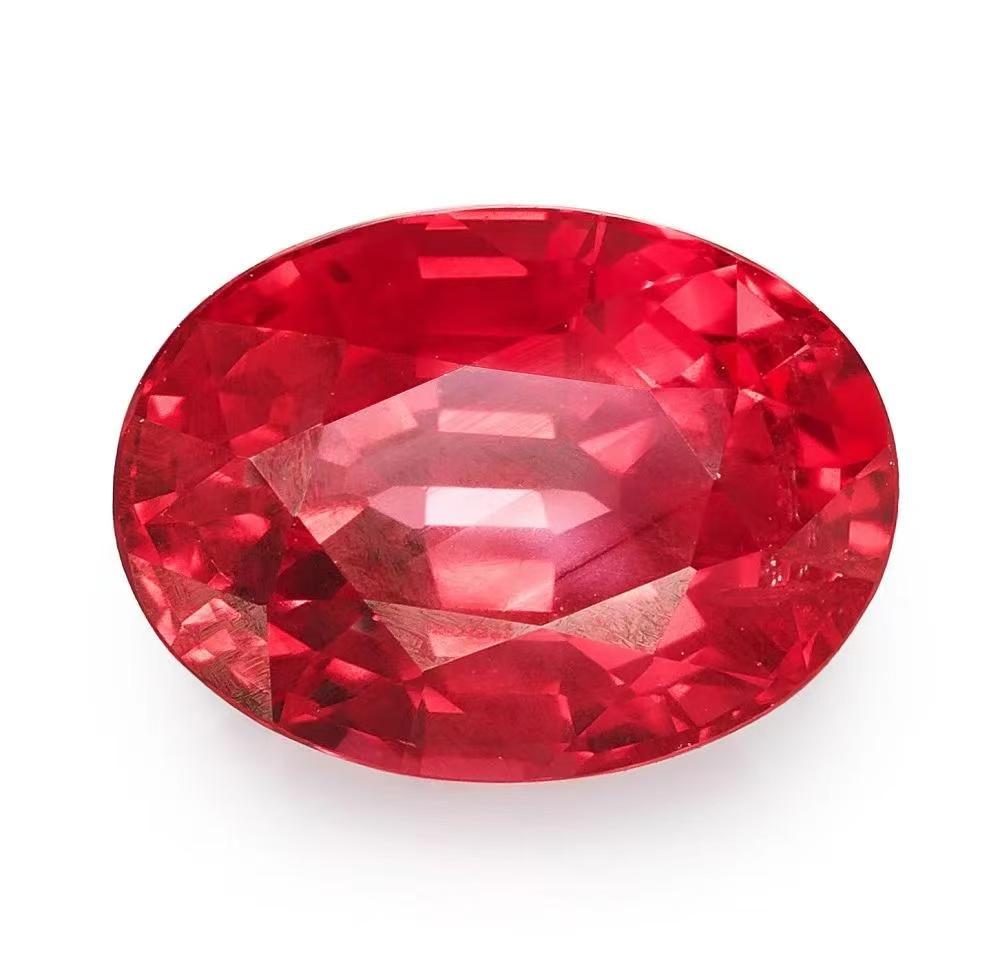
Synthetic ruby is a man-made form of corundum (aluminum oxide, Al₂O₃) doped with chromium to give it a red hue. It is extremely hard—rated 9 on the Mohs scale, just below diamond (10).
Because of its exceptional hardness, synthetic ruby (and its colorless or blue variant, sapphire) can resist scratching better than almost any other material.
3. So Why Not Use Synthetic Ruby for Phone Screens?
Despite its hardness, synthetic ruby is not used for entire phone screens for several practical reasons:
- High cost: Producing large, flawless sheets of synthetic ruby or sapphire is far more expensive than glass.
- Manufacturing difficulty: Hardness makes it hard to cut, shape, and polish—especially in large sizes needed for modern screens.
- Optical issues: Ruby’s red coloration would distort the screen’s visuals. (Sapphire is clear and more viable, but still costly.)
4. Is Synthetic Ruby Used in Phones at All?
Yes—while not used for the main screen, synthetic ruby or similar materials are used in small, critical components of certain smartphones:
- Camera lens covers: Some flagship phones use synthetic sapphire or ruby-like materials to protect the camera lens from scratches.
- Fingerprint sensor covers: In early models, sapphire glass was used to protect fingerprint sensors.
- Watch-grade components: Wearables like smartwatches occasionally use sapphire crystal glass for enhanced durability.
5. Future Possibilities: Will We Ever See Ruby Screens?
There have been experiments with sapphire (not ruby) screens—most notably by companies like Apple and luxury phone brands. However, due to high costs and yield issues, these attempts haven’t become mainstream.
If large-scale sapphire (or synthetic ruby) production becomes cheaper and more scalable, it’s possible future phones may feature ultra-hard, scratch-proof displays—but we’re not there yet.
Conclusion
In conclusion, cell phone screens are not made of synthetic ruby. Instead, they rely on advanced strengthened glass like Gorilla Glass. However, synthetic ruby and its sister material sapphire do have niche applications inside phones, especially in protecting small, high-precision components.
So while your screen may not be ruby, tiny pieces of gemstone-level technology may still be protecting your device’s most important features.