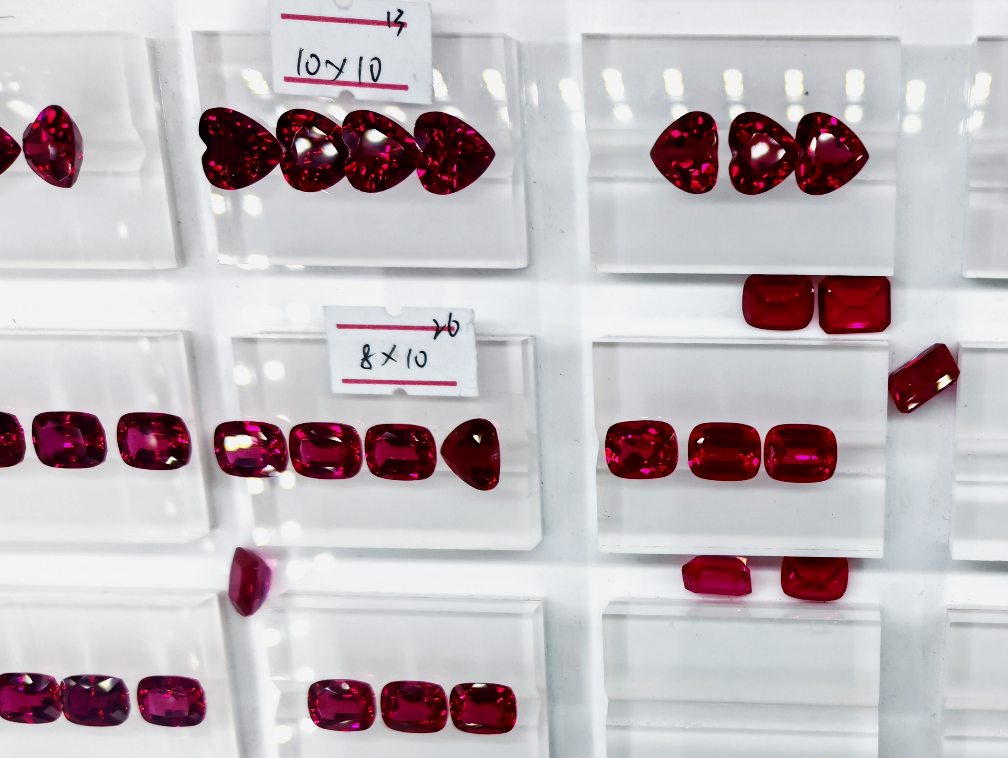
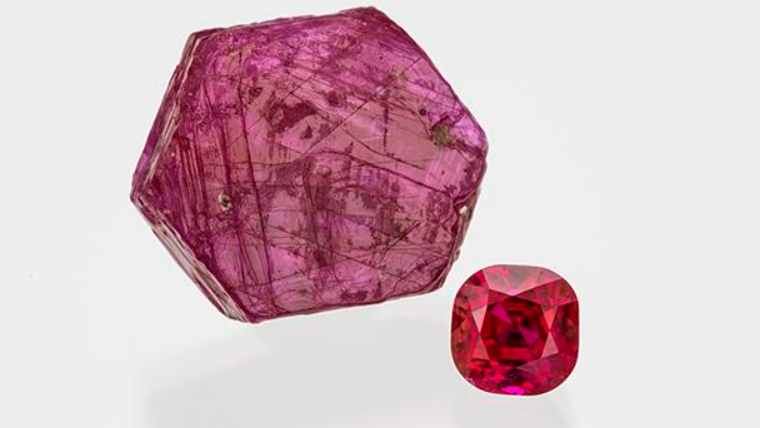
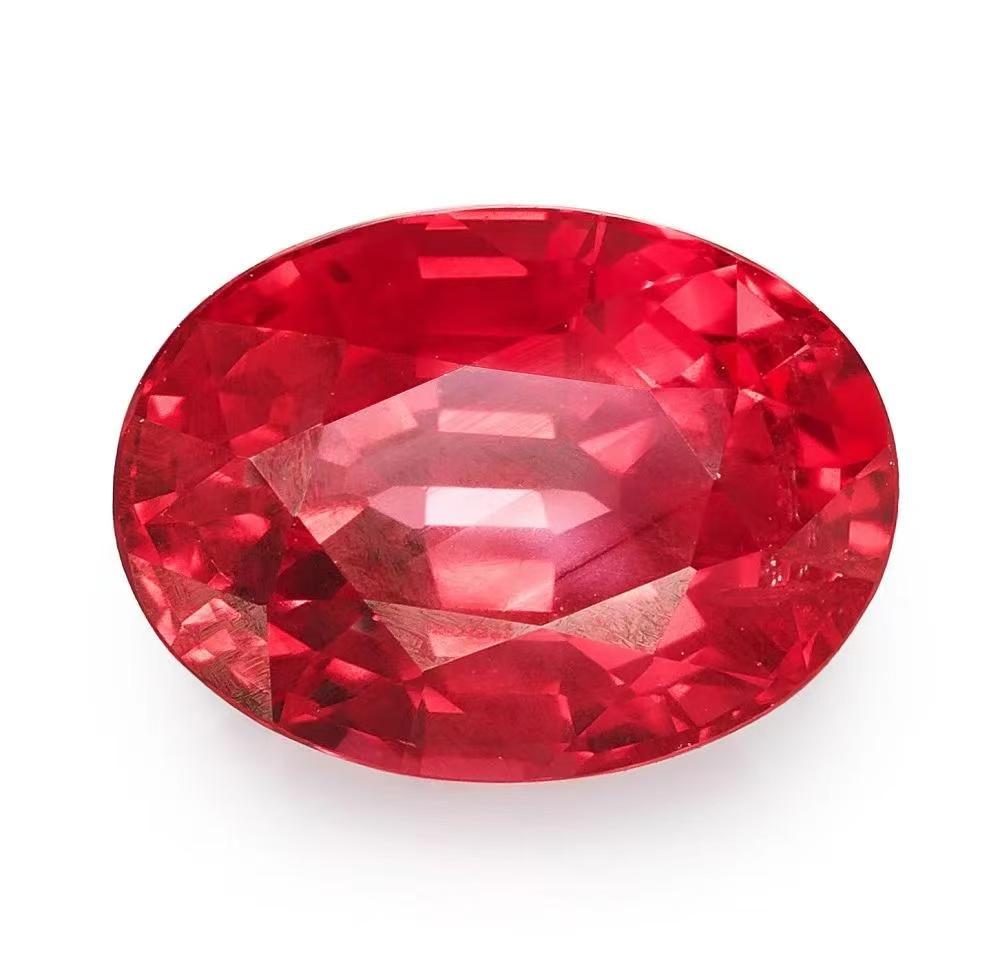
The answer is yes. Synthetic rubies can sometimes exhibit a darker appearance due to a variety of chemical, structural, and optical factors. Let’s explore the reasons behind this and what it really means.

1. Why Can Synthetic Rubies Be Dark?
1.1 High Chromium Content
The signature red color of rubies comes from trace amounts of chromium (Cr³⁺) in the crystal. However, when the chromium concentration is too high, the red can become overly saturated, pushing the gemstone into a darker, almost purplish or blackish tone.
1.2 Crystal Thickness
The cut and thickness of a ruby also affect its appearance. If a synthetic ruby is cut too thick, internal light reflection increases, making the stone appear darker than it truly is. This is an optical effect, not necessarily a flaw.
1.3 Differences in Growth Methods
Not all synthetic rubies are created using the same method, and each technique influences the final color:
- Flame Fusion (Verneuil Method): A cost-effective method but can result in less consistent color and potentially darker tones.
- Flux-Grown and Hydrothermal Methods: These mimic natural conditions more closely and offer more controlled, often brighter results — though they are more expensive.
1.4 Internal Inclusions or Bubbles
During the synthetic growth process, some rubies may develop microscopic inclusions or gas bubbles. These can scatter light and reduce transparency, making the stone appear darker.
2. Does a Darker Color Mean Lower Quality?
Not necessarily. In some markets, such as parts of Asia or the Middle East, a deep “pigeon blood” red is actually preferred and considered more valuable. What matters is whether the darkness maintains good transparency and visual life.
A dark ruby that still exhibits brilliance and sparkle can be highly desirable. The issue lies not in the color depth itself but in whether the gemstone is lively or dull.
3. Our Perspective at Synthetic-Ruby.com
At Synthetic-Ruby.com, we believe the variety seen in synthetic rubies — including darker tones — reflects the complexity and beauty of gemstone science. A darker synthetic ruby is not necessarily a flaw; it is often the result of natural variation in controlled conditions.
Just as natural gemstones range in tone and saturation, synthetic ones are also subject to differences in chemistry, growth duration, and crystal orientation. This diversity should be seen as part of their character, not a defect.
We encourage buyers and collectors to appreciate dark synthetic rubies for what they are — bold, rich, and unique expressions of science and art.
4. Conclusion: Deep Color Is a Matter of Beauty, Not Just Science
Yes, synthetic rubies can be dark. And yes, they can still be stunning.
Dark coloration in synthetic rubies is often the result of chemistry, structure, or intentional design choices. Far from being undesirable, it can embody a unique kind of beauty appreciated across cultures and markets.
If you’re interested in learning more about the science and artistry behind lab-grown rubies, explore our insights and resources here at Synthetic-Ruby.com.