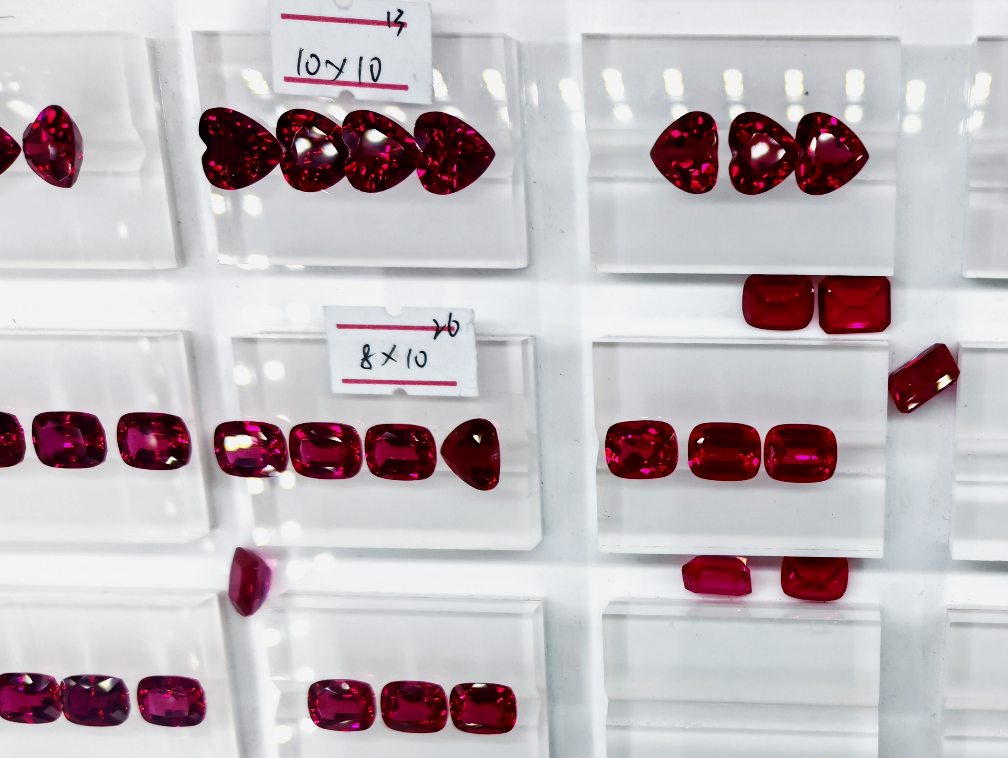
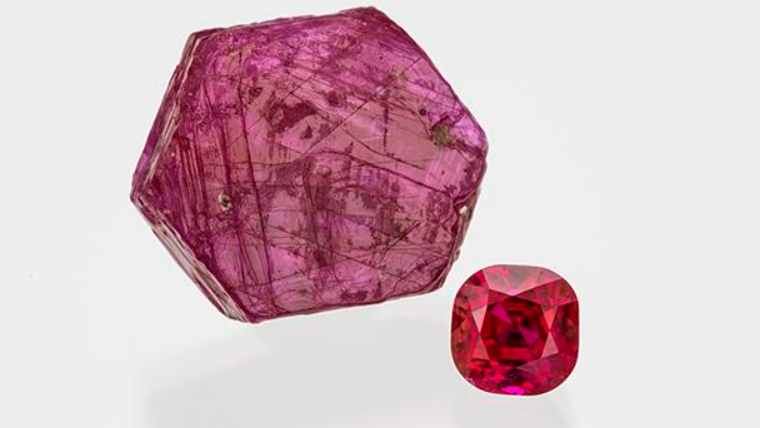
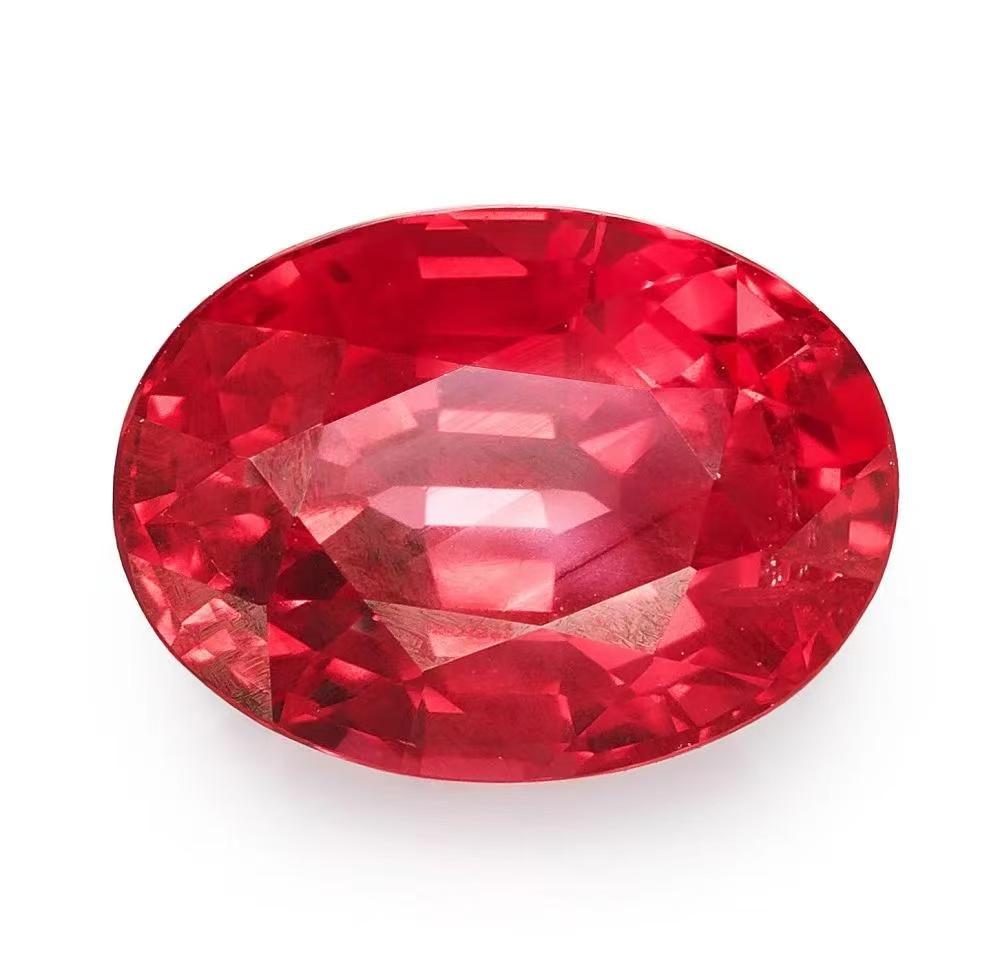
Synthetic rubies have become increasingly popular in the gem market due to their vibrant appearance, affordability, and chemical similarity to natural rubies. But how much do synthetic rubies really cost? More importantly, what does it cost to produce them? In this article, we’ll explore the market pricing, production methods, and key factors that influence the cost of synthetic rubies.
1. Market Price Range of Synthetic Rubies
The price of synthetic rubies varies depending on size, clarity, and the method of production. Here’s a general price range based on current market trends:
- Flame-fusion (Verneuil) synthetic rubies: $1–$5 per carat
- Flux-grown synthetic rubies: $100–$300 per carat
- Industrial ruby crystals: Sold by weight (kilograms), often under $100/kg
The cost difference is mainly driven by production technique and intended usage (e.g., jewelry vs. laser optics).
2. Cost to Produce Synthetic Rubies
Let’s break down the actual production cost of synthetic rubies. This includes raw materials, energy, equipment, and cutting.
Raw Materials
- Aluminum oxide (Al₂O₃) – the base material
- Chromium (Cr) – used to create the red color
Raw material costs are very low, often less than $0.50 per carat.
Production Method Costs
Flame Fusion Method: (Verneuil Process)
- Fast and inexpensive
- Equipment is low-cost
- Energy use per gem is minimal
- Total production cost: as low as $1 per carat
Flux-Growth Method:
- Requires months of slow crystallization
- High temperature and high energy consumption
- Low yield and higher failure rate
- Cost: $20–$50 per carat or more
Cutting and Polishing
- Mass-production cutting: $0.50–$2 per carat
- Custom or hand-cut stones: $10–$30 per carat
For jewelry-grade stones, cutting is often the most expensive step.
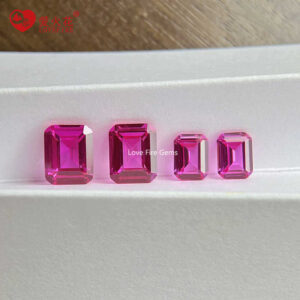
3. Why Is the Retail Price Higher?
Even though the production cost is low, synthetic rubies are often sold at much higher prices. Here’s why:
- Brand markup: Renowned gem producers like Chatham and Swarovski add premium pricing
- Jewelry design: Custom settings and cutting enhance perceived value
- Market positioning: Synthetic rubies are marketed as ethical and sustainable alternatives
- Consumer perception: Many buyers cannot distinguish synthetic from natural gems
4. Are Synthetic Rubies a High-Margin Product?
Yes, particularly for flame-fusion rubies. Due to the low raw material and energy cost, they are considered one of the most cost-efficient synthetic gemstones on the market. In contrast, flux-grown rubies are more costly to produce, but offer better color zoning and mimic natural stones more convincingly.
5. Summary
Synthetic rubies can cost anywhere from a few dollars to several hundred dollars per carat, depending on the production method and final finish. The actual production cost can be as low as $1 per carat for flame-fusion rubies, making them a lucrative product in the gem and jewelry industry. However, high-end synthetic rubies still require significant investment in equipment, time, and craftsmanship.
If you’re a gem enthusiast, jeweler, or brand looking to understand or enter the synthetic gem market, knowing these costs can help you make smarter sourcing and pricing decisions.