When it comes to the brilliance and allure of rubies, size often sparks fascination. Natural rubies of significant size are extremely rare and expensive. But thanks to technological advancement, synthetic rubies can be created in virtually any size. So just how big can a synthetic ruby get? And what is the largest synthetic ruby ever made? This article explores the answers, offering a comprehensive guide for collectors, jewelers, and curious gemstone enthusiasts.

What Is a Synthetic Ruby?
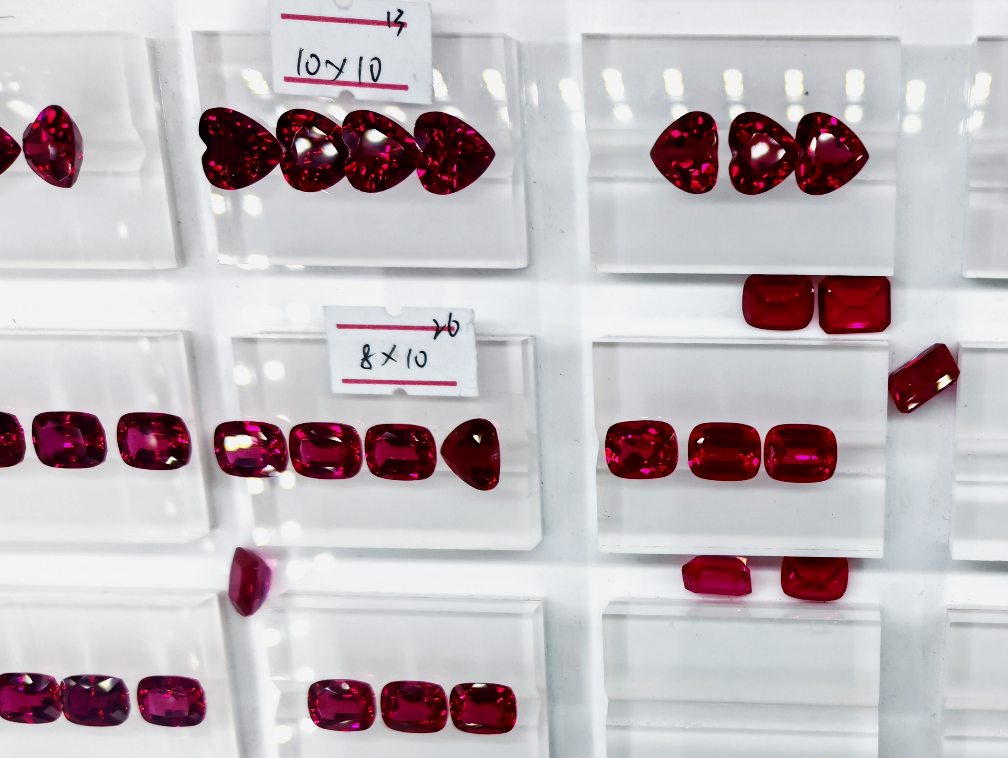
A synthetic ruby, also known as a lab-created or man-made ruby, is chemically and physically identical to a natural ruby. These stones are produced in laboratories using advanced processes such as flame fusion, flux growth, or hydrothermal synthesis. While they replicate the brilliance and hardness of natural rubies, they are more affordable and can be manufactured in sizes not typically found in nature.
The Largest Synthetic Ruby Ever Created
Although no single record has been universally acknowledged, several synthetic rubies have reached impressive sizes. For example, in the early 2000s, researchers at the Kyocera Corporation in Japan reportedly grew synthetic rubies weighing over 1000 carats using the Czochralski pulling method. Some museum-quality synthetic ruby specimens have even reached up to 3000 carats in weight, particularly for scientific or display purposes.
At these massive sizes, synthetic rubies are typically not used in jewelry but serve research, industrial, or ornamental functions. Their clarity and structure remain remarkably pure due to the controlled conditions under which they are grown.

How Big Can a Synthetic Ruby Get?
In theory, the size of a synthetic ruby is limited only by the equipment and resources of the lab growing it. Unlike natural rubies, which take millions of years to form under the earth, synthetic rubies grow in weeks or months. Technological advancements allow for the control of crystal growth, temperature, and chemical balance, enabling the production of extremely large crystals with high clarity.
However, the cost of growing larger synthetic rubies increases significantly with size. Large crystals require more time, energy, and resources to maintain quality and structural integrity. That’s why ultra-large synthetic rubies are more common in scientific labs than in jewelry stores.
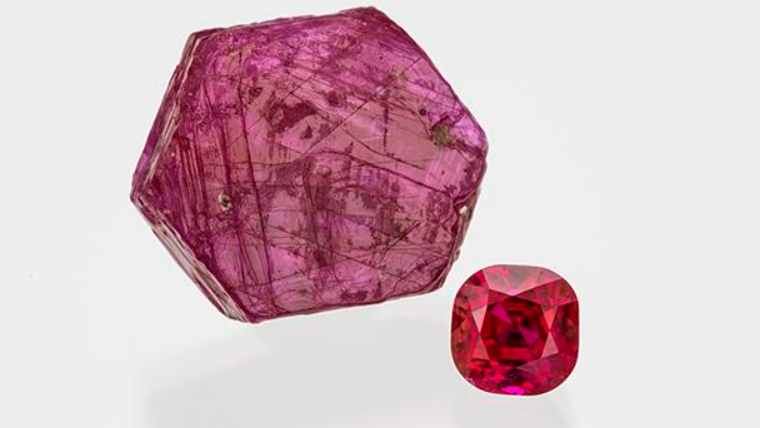
Synthetic vs Natural Rubies: Big Size Difference?

Can You Buy a Large Synthetic Ruby?
Yes! While ultra-massive specimens are generally reserved for research or display, there is a growing market for large lab-created rubies in the jewelry and collectibles industries. Stones of 10–50 carats are now readily available and can be cut for rings, pendants, or display pieces.
At synthetic-ruby.com, we offer custom cutting services and a range of large synthetic rubies tailored to your specifications. Whether you’re looking for a stunning 30-carat ruby for a bold statement ring or a 100-carat gem for display, we can source or grow one to suit your needs.
Use Cases for Large Synthetic Rubies
- Jewelry: Large center stones for custom designs or dramatic statement pieces.
- Collections: Unique display pieces for collectors or museums.
- Industrial Applications: Rubies are used in lasers, watch bearings, and scientific instruments.
- Educational Use: Teaching tools in geology, gemology, and material science labs.
Expert Insight: Why Collectors Love Large Lab Rubies
According to Dr. Elena Kovalev, a gemologist with over 20 years of experience in synthetic gem research, “Large lab-created rubies offer unmatched clarity and a fascinating structure. Their beauty is not just aesthetic—it also represents human ingenuity and control over nature.”
At synthetic-ruby.com, our team collaborates with expert gem cutters and lab technicians to provide not just gemstones, but stories—unique creations backed by expertise and passion.
Frequently Asked Questions (FAQ)
- What is the largest synthetic ruby ever made?
- Reports suggest some synthetic rubies have exceeded 3000 carats, mainly for industrial or academic use.
- Are large lab-grown rubies available for purchase?
- Yes, you can purchase large synthetic rubies for both jewelry and display purposes through specialized suppliers like synthetic-ruby.com.
- How much does a large synthetic ruby cost?
- Prices vary based on size, clarity, and cutting. A 20-carat lab ruby may range from $100 to $500, while larger custom pieces may cost more.
- Are synthetic rubies real rubies?
- Yes. Chemically and physically, they are identical to natural rubies—only their origin is different.
Conclusion
The largest synthetic rubies in the world are a testament to how science and artistry can merge to create breathtaking beauty. For collectors, designers, and enthusiasts, these gems offer a new frontier—where size, clarity, and sustainability unite. Whether you want to admire, wear, or study one, synthetic-ruby.com is your trusted partner for exceptional lab-created rubies.