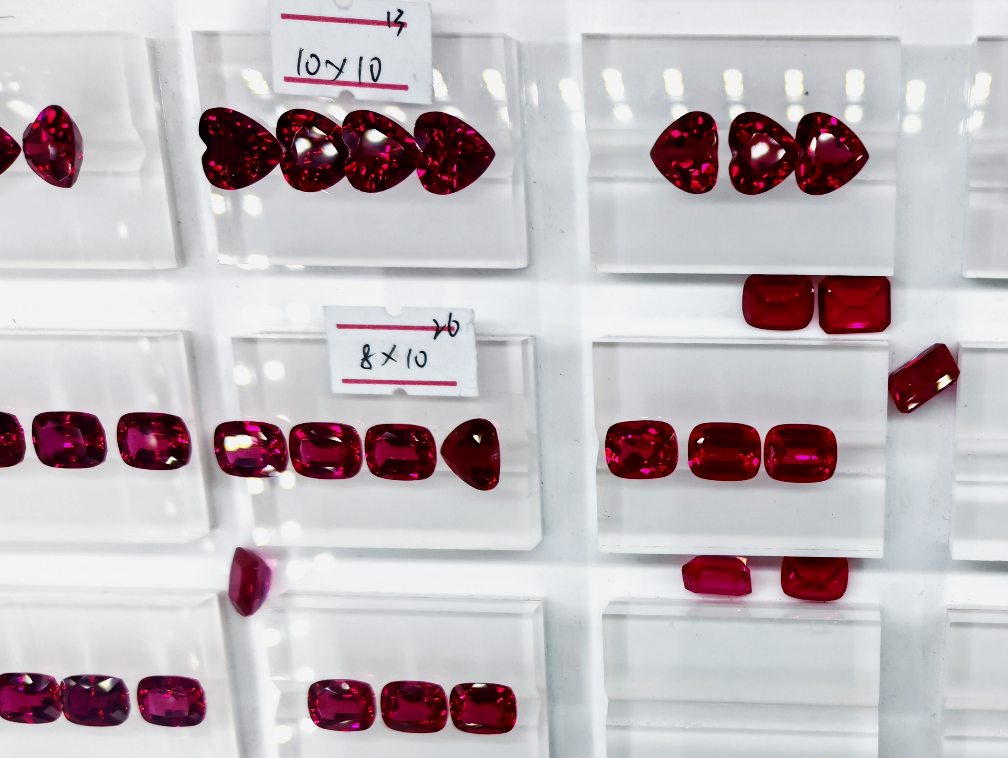
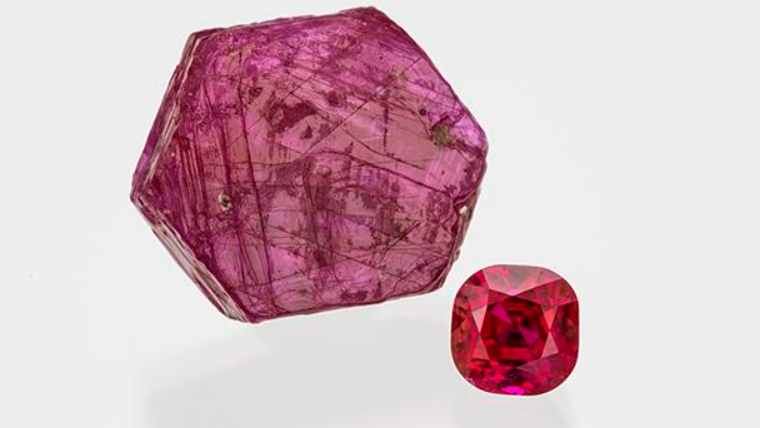
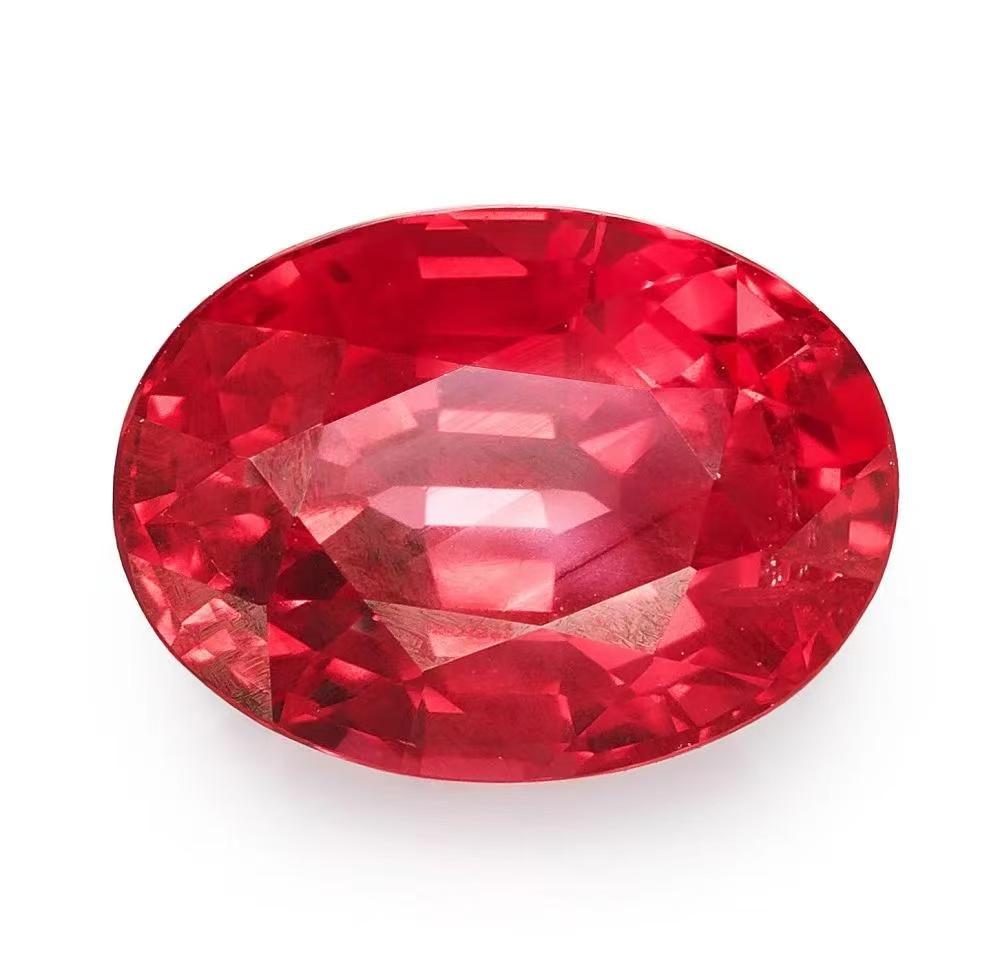
Discover how to recognize synthetic rubies and how they differ from natural stones.
Introduction
Synthetic rubies are lab-created gemstones designed to mimic the appearance and chemical properties of natural rubies. To the untrained eye, they can look identical to mined rubies. But with the right knowledge and tools, gemologists and informed buyers can tell them apart.
Key Characteristics of Synthetic Rubies
Here are some notable visual and physical traits of synthetic rubies:
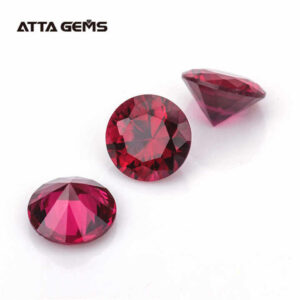
- Color: Synthetic rubies often display a vibrant, intense red color—sometimes even more vivid than natural rubies. The color tends to be very uniform.
- Clarity: They usually have extremely high clarity, with few to no visible inclusions.
- Luster: Just like natural rubies, they show a strong glassy luster (vitreous).
- Cut: Lab-grown rubies are typically cut to ideal proportions since rough material is more available and affordable.
Visual Differences: Synthetic vs. Natural Ruby
| Feature | Synthetic Ruby | Natural Ruby |
|---|---|---|
| Color Uniformity | Perfectly even red hue | Color zoning or uneven saturation |
| Inclusions | Gas bubbles, curved growth lines | Needle-like rutile, fingerprint inclusions |
| Growth Lines | Curved striae (from flame fusion process) | Straight or angular zoning |
| Price | More affordable | Expensive, especially for high clarity and color |
Common Synthesis Methods and Their Effects
Different methods used to create synthetic rubies result in slightly different visual cues:
1. Flame Fusion (Verneuil Process)
The oldest and most common method. It often results in curved growth lines and gas bubbles visible under magnification.
2. Flux Growth
This method mimics natural growth better and produces fewer obvious inclusions. Flux residue may be visible under a microscope.
3. Hydrothermal Growth
Creates rubies with inclusions and growth patterns that closely resemble natural rubies. These are harder to distinguish without lab testing.
How to Tell if a Ruby Is Synthetic
If you’re unsure whether your ruby is natural or lab-created, consider the following options:
- Magnification: Use a 10x loupe to look for curved striae or bubbles.
- UV Light Test: Some synthetic rubies fluoresce differently under UV light compared to natural ones.
- Gemological Testing: Have the gem certified by a laboratory like GIA, IGI, or NGTC.
- Pricing Clues: If the price is too good to be true for the size and quality, it’s probably synthetic.
Is Synthetic Ruby Fake?
No. Synthetic rubies are chemically and physically identical to natural rubies—they’re not imitation stones like glass or plastic. They’re “real” rubies, just not from the Earth. They’re often used in jewelry, industry, and even in watches (as bearings).
Conclusion
Synthetic rubies can be stunning, durable, and cost-effective alternatives to natural stones. While they may be visually identical to natural rubies to the casual observer, professionals can spot the differences through inclusions, growth lines, and fluorescence. Whether you’re a gem enthusiast or a cautious buyer, understanding what a synthetic ruby looks like helps you make informed decisions.