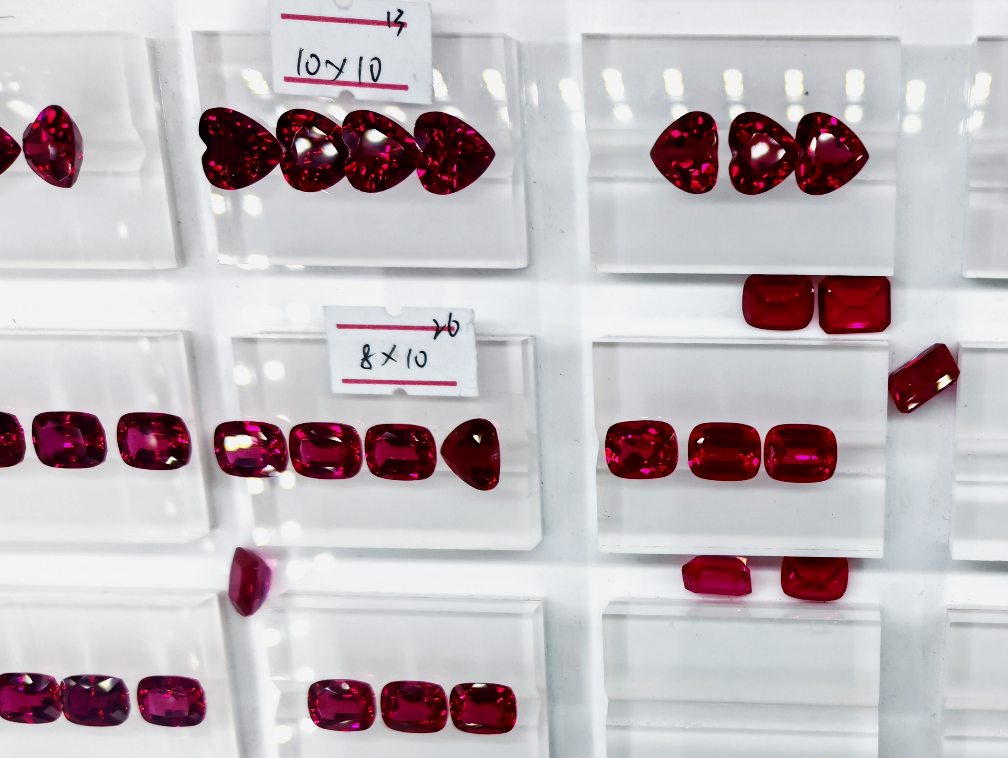
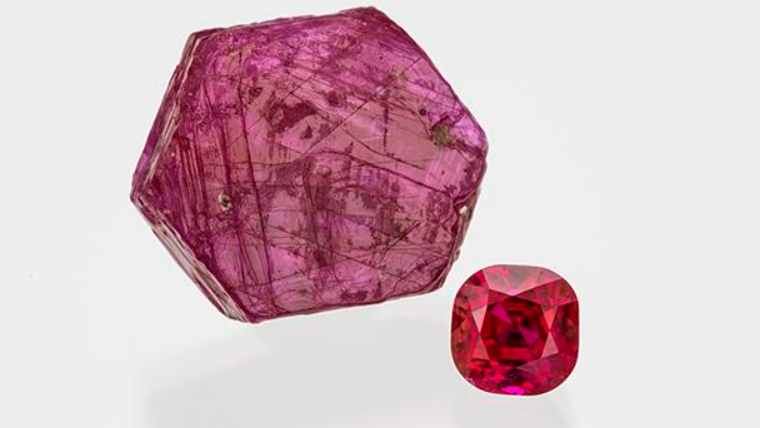
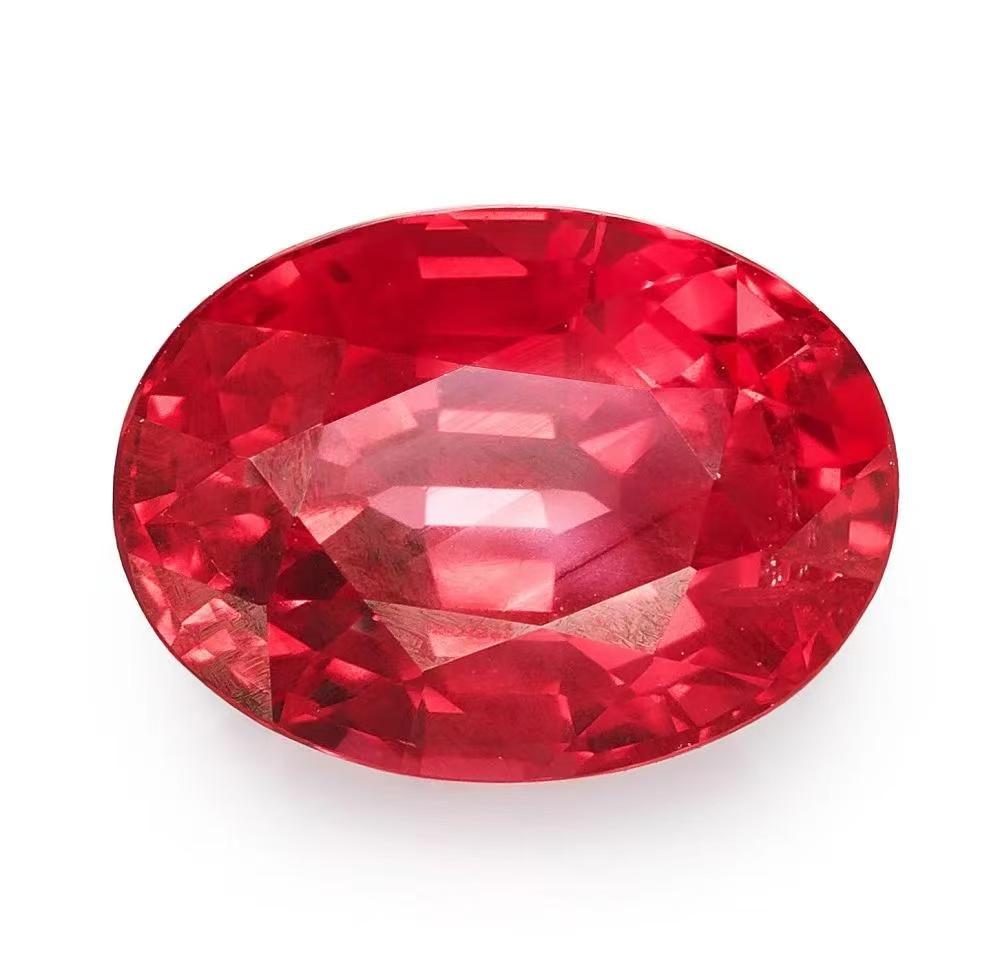
Rubies have long been regarded as one of the most precious gemstones, known for their rich red hue, symbolism of passion and power, and historical use by royalty and the elite. However, with modern advancements in gemology, synthetic rubies—also known as lab-created or man-made rubies—have become increasingly common.
This raises a fundamental question: Are synthetic rubies valuable?
To answer that, we’ll explore the science behind synthetic rubies, compare them with natural rubies, evaluate market demand, and explain the real value—both monetary and symbolic—of synthetic rubies today.
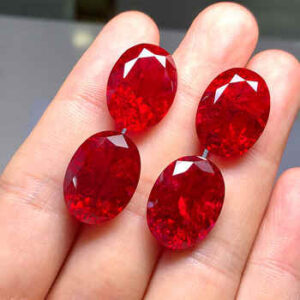
What Are Synthetic Rubies?
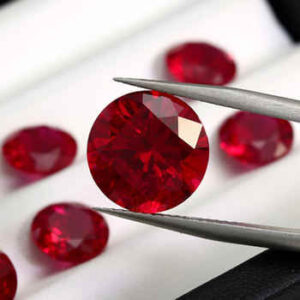
Synthetic rubies are gemstones created in a controlled laboratory environment that replicate the chemical, physical, and optical properties of natural rubies. They are not fake or imitation stones; they are real rubies, just grown in labs rather than mined from the earth.
How Are Synthetic Rubies Made?
- Flame Fusion (Verneuil Process): The earliest and most cost-effective method, producing rubies with few inclusions but visible curved growth lines.
- Flux-Grown and Hydrothermal Methods: More advanced techniques that mimic the slower crystal growth of natural stones, resulting in higher quality and more natural-looking rubies.
How Do Synthetic Rubies Compare to Natural Rubies?
| Feature | Natural Ruby | Synthetic Ruby |
|---|---|---|
| Composition | Al₂O₃ + chromium | Same |
| Appearance | Natural inclusions, color zoning | Can be flawless or engineered inclusions |
| Origin | Formed over millions of years | Lab-grown in weeks or months |
| Price | Very high | Much more affordable |
| Rarity | Rare and valuable | Abundant and accessible |
| Ethical Concerns | May involve unethical mining | Ethical and eco-friendly |
Key Insight: Synthetic rubies are chemically and visually identical to natural rubies. However, their origin and rarity are what primarily define their market value.
Are Synthetic Rubies Considered “Valuable”?
1. Monetary Value
From a financial standpoint, synthetic rubies are far less valuable than natural rubies. A top-quality untreated natural ruby can cost tens of thousands—even millions—per carat, especially if it comes from Burma (Myanmar).
In contrast, synthetic rubies typically cost $10 to $100 per carat, although high-quality hydrothermal rubies set in fine jewelry can command higher prices.
💡 Tip: Always ask for certification when buying a ruby—especially from high-end retailers—to understand whether it’s natural or lab-created.
2. Emotional and Symbolic Value
Beyond price, synthetic rubies offer:
- Affordable luxury for those who love the ruby look without the cost.
- Ethical sourcing with minimal environmental and social impact.
- Customization potential for jewelers and consumers alike.
Do Synthetic Rubies Hold Their Value Over Time?
Synthetic rubies are not typically appreciated. Their resale value is limited due to their abundance and the ongoing improvements in lab-growing technology. They’re considered a great purchase for style and affordability—but not investment.
When Are Synthetic Rubies a Smart Choice?
- Budget-Conscious Buyers: Get the look of ruby without the high cost.
- Ethical or Eco-Friendly Jewelry Lovers: Support sustainable gem sourcing.
- Everyday Jewelry: Ideal for rings, earrings, and bracelets that are worn daily.
- Statement Pieces: Great for bold, affordable fashion jewelry.
How to Tell if a Ruby Is Synthetic
Synthetic and natural rubies are virtually indistinguishable to the naked eye. Jewelers use specialized equipment to identify:
- Inclusion patterns (e.g., curved striae, gas bubbles)
- Spectroscopy and UV fluorescence tests
- Gemstone certification from trusted labs like GIA or IGI
Synthetic Rubies vs. Imitation and Treated Rubies
| Type | Description | Value |
|---|---|---|
| Synthetic Ruby | Lab-grown, identical to natural | Medium |
| Imitation Ruby | Glass or composite, looks similar | Low |
| Treated Ruby | Natural, but enhanced via heat or fillers | Varies |
Frequently Asked Questions
Are synthetic rubies real rubies?
Yes, synthetic rubies are chemically and visually real rubies. The only difference is their origin—lab vs. earth.
Why are synthetic rubies cheaper?
They’re less rare, easier to produce, and not mined, which reduces cost significantly.
Can jewelers identify synthetic rubies?
Yes, professional gemologists use tools and microscopes to spot synthetic growth patterns and inclusions.
Do synthetic rubies sparkle like natural rubies?
Yes, and often even more so due to fewer inclusions and precision cutting.
Is it okay to buy a synthetic ruby?
Absolutely! They’re a smart choice for affordable, ethical, and beautiful jewelry.
Conclusion: Are Synthetic Rubies Valuable?
Yes—and no.
If you’re looking for a gemstone that will appreciate over time, synthetic rubies are not your best bet. But if you’re seeking something that’s beautiful, affordable, ethical, and identical in appearance to natural rubies, synthetic rubies are incredibly valuable in their own right.
Call to Action
Ready to explore beautiful synthetic ruby jewelry? Whether for fashion or values, lab-created rubies are a brilliant choice. Get in touch with us today to learn more or browse our latest ruby designs!