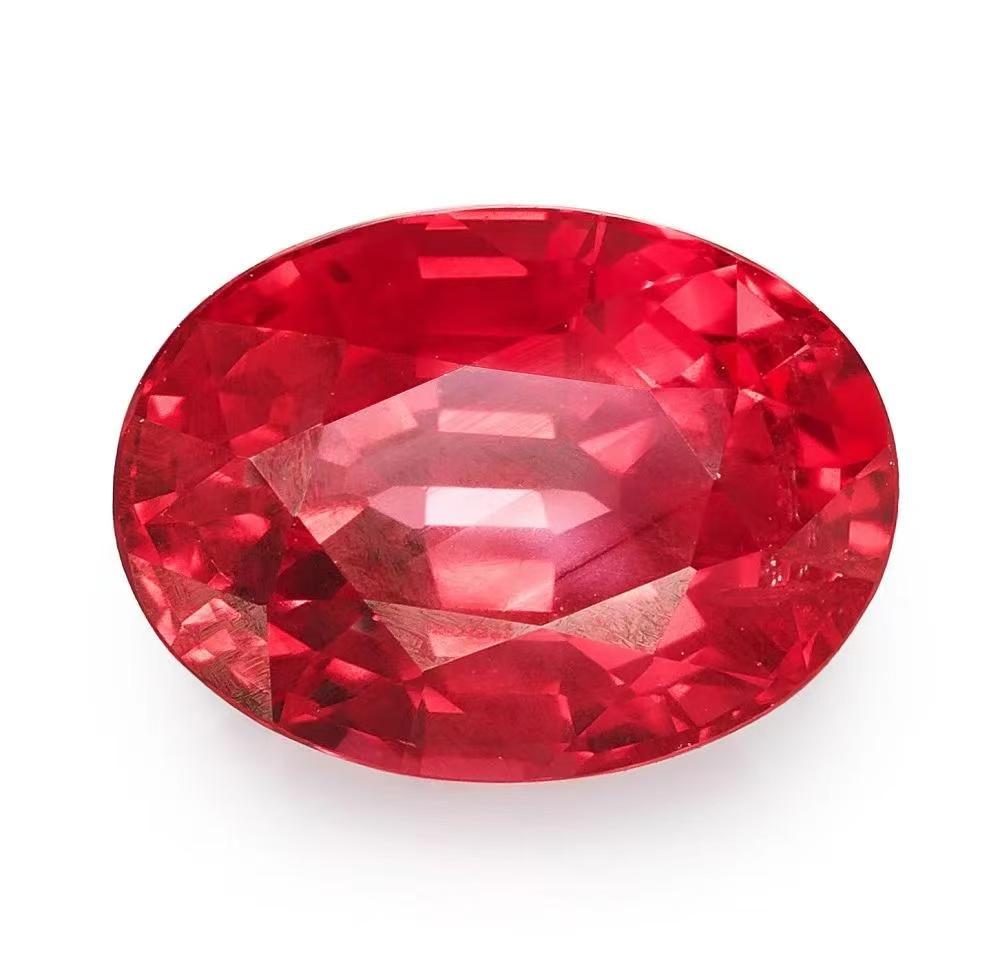
Synthetic rubies are dazzling, lab-created gemstones that share the same chemical composition as natural rubies. But can you actually make one at home? In this article, we’ll explore whether it’s possible to make a synthetic ruby at home, the science behind ruby creation, the risks involved, and some safe DIY alternatives for ruby enthusiasts.
1. Can You Really Make a Synthetic Ruby at Home?
The short answer is no, not safely. True synthetic rubies require extreme heat, specialized equipment, and dangerous chemicals—conditions not feasible in a home environment. While lab-grown rubies are common in the jewelry market, their creation involves processes far beyond DIY capability.
2. How Are Synthetic Rubies Made in the Lab?
Here are the three main methods used to produce synthetic rubies in industrial labs:
- Verneuil Method (Flame Fusion) – Melts aluminum oxide and chromium at over 2000°C to form a synthetic ruby bead. Requires hydrogen-oxygen flame. Not safe at home.
- Flux Method – Uses molten chemicals (flux) to grow crystals slowly. Requires high temperatures and toxic compounds. Not safe at home.
- Hydrothermal Method – Simulates underground crystal growth with high-pressure, high-temperature vessels. Requires industrial equipment.
3. Why You Shouldn’t Try to Make a Synthetic Ruby at Home
Even though the idea is exciting, home ruby synthesis is unsafe for the following reasons:
- Extreme Heat: Flame fusion needs temperatures over 2000°C.
- Toxic Chemicals: Chromium compounds and fluxes are hazardous.
- Explosion Risk: Pressure vessels can explode if mishandled.
- High Failure Rate: Without professional controls, crystal growth usually fails.
4. Safe DIY Alternatives to Try at Home
If you want to experience ruby creation safely, consider these home-friendly options:
A. Simulate Rubies with Alum Crystals
Mix alum powder and red food dye in hot water to create a saturated solution. Let it sit for several days to grow beautiful red crystals. While not actual rubies, these mimic the look and offer a fun learning experience.
B. Buy and Polish a Lab-Grown Ruby
Purchase a rough synthetic ruby (made using Verneuil method) and use a basic lapidary kit to polish it at home. This allows you to participate in the finishing process without handling dangerous materials.
C. Use Crystal Simulation Software
Try digital tools like CrystalMaker or VESTA to visualize how ruby crystals form at the molecular level. Perfect for students and hobbyists who love science and gems.
5. What DIY Enthusiasts Have Tried (⚠️ Not Recommended)
Some highly experienced individuals have attempted homemade flame fusion using ceramic crucibles and fuel torches. But even for them, the process is risky and success rates are low. If you’re not a trained chemist or gemologist, avoid such experiments.
Conclusion: Can You Make a Synthetic Ruby at Home?
| Question | Answer |
|---|---|
| Can I make a synthetic ruby at home? | ❌ Not safely or practically possible |
| Are there safe DIY alternatives? | ✅ Yes – simulate crystals or polish rough stones |
| Is it worth trying? | ✅ For fun and learning, not for real gemstone value |
If you’re passionate about rubies, a better approach is to explore gemology, purchase lab-grown stones, or experiment with safe crystal projects. Making a synthetic ruby at home may not be realistic—but learning about how they’re made is just as fascinating.