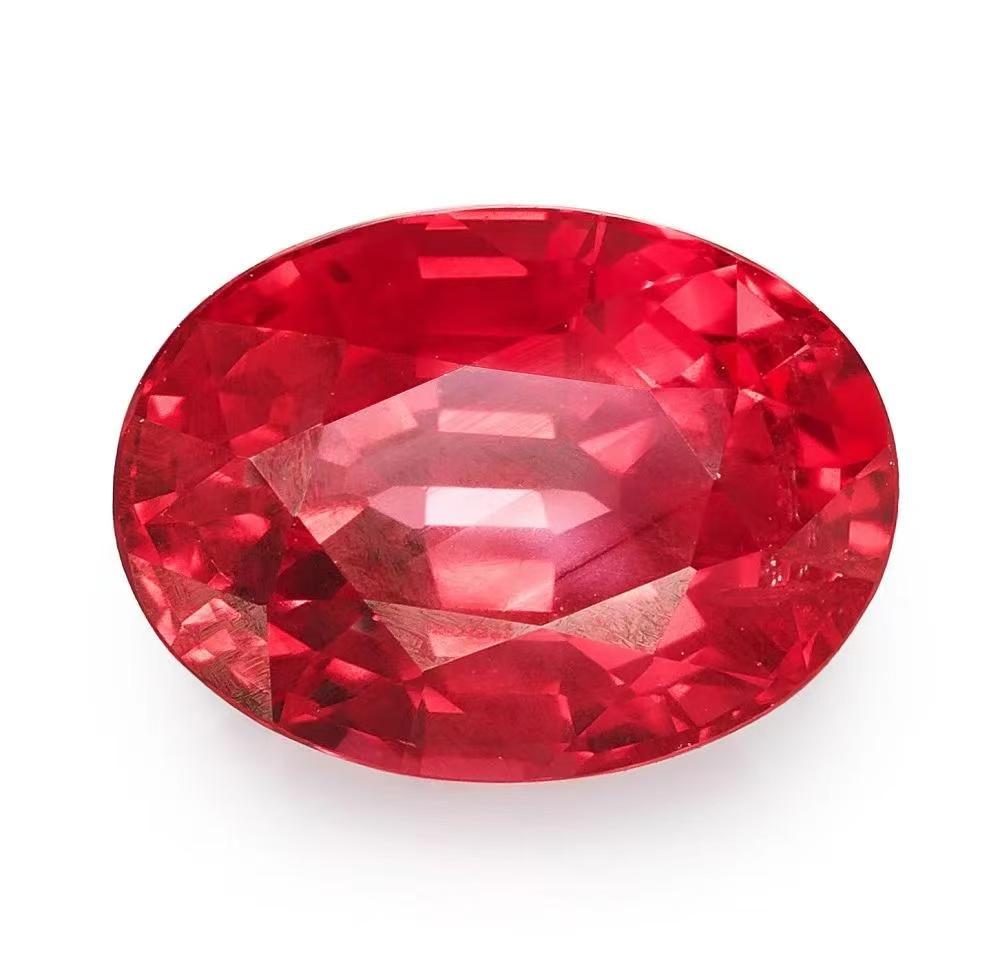
Synthetic rubies, also known as lab-created rubies or man-made rubies, have revolutionized the gemstone industry by offering an ethical, affordable, and visually identical alternative to natural rubies. But how are synthetic rubies actually made? This article explores the scientific processes behind their creation and highlights the significant role of Wuzhou, China—the world-renowned capital of artificial gemstones.
What Is a Synthetic Ruby?
A synthetic ruby is a gemstone that is chemically, physically, and optically identical to a natural ruby but created in a controlled laboratory environment. The key difference lies in its origin. While natural rubies form over millions of years beneath the Earth’s crust, synthetic rubies are grown over days or weeks using advanced techniques that replicate natural conditions.
Why Choose Synthetic Rubies?
- Affordability: Synthetic rubies are significantly less expensive than natural rubies.
- Ethical sourcing: No mining involved—no environmental degradation or labor concerns.
- High quality: Controlled conditions produce stones with fewer inclusions and vivid color.

Main Methods of Producing Synthetic Rubies
There are several industrial methods used to create synthetic rubies, each with its advantages. Let’s dive into the most commonly used processes:
1. Flame Fusion (Verneuil Method)
Flame fusion is the oldest and most widely used method for producing synthetic rubies. Developed by Auguste Verneuil in 1902, it remains especially popular in Wuzhou due to its cost-effectiveness and scalability.
Process:
- Aluminum oxide (Al2O3) is mixed with a small amount of chromium oxide (Cr2O3)—the element responsible for ruby’s red color.
- The mixture is melted in an oxyhydrogen flame at temperatures over 2000°C.
- The molten droplets fall onto a rotating pedestal, gradually forming a crystal boule.
- Once cooled, the boule is cut and polished into gemstones.
Advantages: Fast production, low cost, high-quality color.
Limitations: May show curved striae or gas bubbles under magnification—clues of synthetic origin.
2. Hydrothermal Growth
The hydrothermal method mimics the natural environment where rubies form deep in the Earth. Though more expensive and time-consuming, it produces very realistic and high-quality rubies.
Process:
- A nutrient-rich solution is placed inside a high-pressure, high-temperature vessel known as an autoclave.
- A seed crystal is suspended in the solution.
- Over weeks, ruby crystals grow around the seed, mirroring natural ruby formation.
Advantages: Very natural appearance, fewer synthetic indicators.
Limitations: Higher cost, slower production time.
3. Flux Growth
This method uses a molten flux (chemical solvent) to dissolve aluminum oxide and chromium oxide at lower temperatures than flame fusion.
Process:
- A seed crystal is placed in the flux, and the solution is heated.
- The ruby slowly crystallizes out of the solution over a period of weeks to months.
Advantages: Produces very natural-looking rubies.
Limitations: Very expensive and slow; flux inclusions may be present.
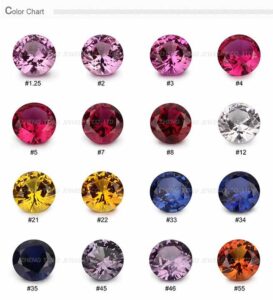
Wuzhou: The Capital of Artificial Gemstones
Located in Guangxi Province, Wuzhou has earned the reputation of being China’s (and arguably the world’s) leading hub for synthetic gemstone production. The city combines traditional craftsmanship with advanced manufacturing techniques to produce high-quality synthetic rubies at scale.
Wuzhou Synthetic Ruby is at the forefront of this innovation. Our facilities utilize flame fusion as the core method of ruby production, ensuring consistent quality and brilliant color. We supply synthetic rubies to clients worldwide for use in fine jewelry—rings, necklaces, earrings, bracelets, and more.
Environmental and Ethical Considerations
Unlike traditional mining, which can have severe environmental and human rights consequences, synthetic rubies offer a sustainable and conflict-free alternative. At Wuzhou Synthetic Ruby, we are committed to:
- Reducing carbon footprint
- Minimizing waste in the production process
- Ethical labor practices
Consumers today are more conscious of how their jewelry is sourced. By choosing synthetic rubies, they contribute to a cleaner, more responsible industry.
How to Identify Synthetic Rubies
While synthetic rubies are nearly indistinguishable to the naked eye, gemologists can use advanced tools to differentiate them from natural rubies:
- Microscopic Examination: Flame fusion rubies may show curved growth lines; flux-grown stones may show flux residue.
- Inclusion Patterns: Natural rubies often contain mineral inclusions; synthetics may show gas bubbles or growth zoning.
- Spectroscopy: UV-Vis and other tests can detect trace elements and growth patterns.
Applications of Synthetic Rubies
Synthetic rubies are not just limited to jewelry. Due to their durability and hardness (Mohs scale 9), they are also used in:
- Watches and bearings
- Medical instruments
- Lasers and optics
Conclusion: Why Synthetic Rubies Are the Future
Synthetic rubies offer a compelling alternative to their natural counterparts, combining beauty, affordability, and ethical sourcing. Thanks to innovations in cities like Wuzhou, synthetic rubies are more accessible than ever.
If you are looking for high-quality synthetic rubies for jewelry manufacturing or retail, Wuzhou Synthetic Ruby is your trusted partner. Our rubies meet global standards and satisfy the growing demand for sustainable luxury.
Contact Us
Interested in sourcing synthetic rubies directly from Wuzhou? Contact us today to learn more about our products, pricing, and custom solutions.