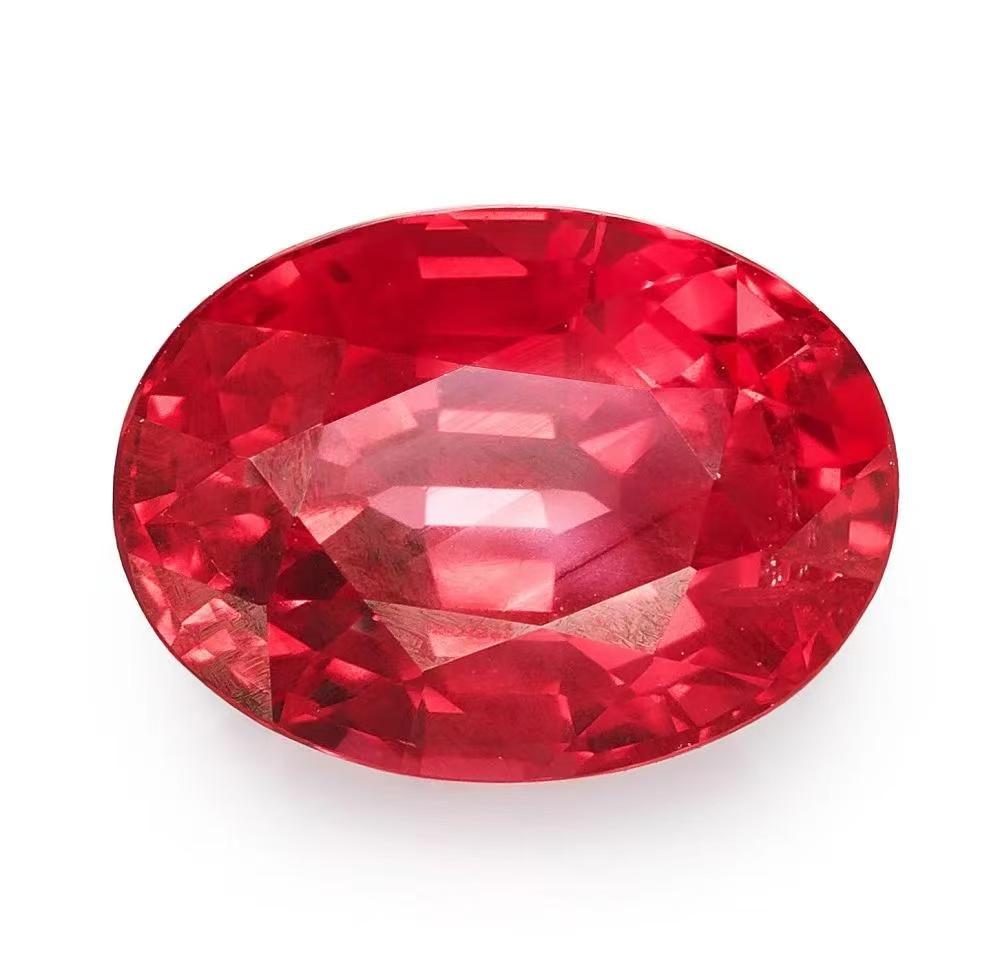
In a significant advancement for the gemological world, scientists at the University of Barcelona have developed a rapid and reliable method to accurately distinguish between natural rubies and synthetic rubies. This development promises to revolutionize the gemstone testing process by offering fast, non-destructive, and precise results within minutes.

Why This Innovation Matters
The growing popularity of synthetic gemstones, particularly lab-grown rubies, has heightened the need for trustworthy methods of origin determination. While synthetic rubies are chemically identical to natural ones, their value and consumer perception differ dramatically. In markets where fake “natural” rubies are fraudulently sold at high prices, consumers and jewelers alike require transparent authentication tools.
“This new approach combines accuracy, affordability, and speed — making it an ideal tool for retailers, appraisers, and customs officials.” – Dr. Silvia Rodríguez, Lead Researcher
How the Method Works
The method developed by the University of Barcelona is built on a multi-spectroscopic approach using three non-destructive techniques:
- Microspectroscopy – analyzing ruby color and luminescence at a microscopic scale
- Infrared reflectance (IR) – revealing subtle lattice differences caused by growth environments
- Thermal emission spectroscopy – examining how rubies emit heat to spot synthetic growth markers
This triad of analytical tools enables the detection of growth-related inclusions, flux residues, and thermal inconsistencies — key indicators of synthetic origin. Even advanced hydrothermal or flux-grown rubies can be distinguished.
Advantages Over Traditional Testing
Until now, many gem identification processes required expensive, invasive, or time-consuming lab tests. This new method changes the game by being:
- Fast – Results in minutes, not days
- Non-destructive – No harm done to the gem
- Portable – Potential for use in field gemology or customs inspections
- Cost-effective – Reducing reliance on high-cost equipment
Implications for the Gem Industry
This breakthrough provides significant benefits for various stakeholders:
- Consumers gain confidence in knowing the true origin of the rubies they purchase
- Jewelers can avoid liability from misrepresented gems
- Appraisers can offer more reliable certification with higher speed
- Border agents can detect undeclared synthetic stones more efficiently
The Rise of Synthetic Rubies
With synthetic rubies gaining popularity due to their affordability and ethical sourcing, it’s no surprise that demand is growing. However, the blurred line between natural and lab-grown stones has also led to scams and confusion in both B2B and retail environments. This new scientific method is a crucial tool in maintaining market integrity.
Market Stats (2025)
- Global synthetic ruby market value: $4.78 billion
- Expected market value by 2029: $6.45 billion
- Annual growth rate: 8.1%
What’s Next?
The University of Barcelona team is currently working with industry partners to commercialize this technology. Portable versions of the test kit may soon be available to gemologists and customs agencies worldwide. With this method, the gemstone industry is one step closer to full traceability and transparency.
Conclusion
The ability to quickly and reliably tell the difference between synthetic and natural rubies has far-reaching implications. Whether you’re a jewelry enthusiast, a retailer, or a gem laboratory, this innovation represents a leap forward in accuracy, ethics, and efficiency.
For more information on synthetic rubies, gemology, and the science behind lab-grown stones, visit our homepage at synthetic-ruby.com.