The debate between lab-grown and natural ruby gemstones has been widely explored, with compelling arguments on both sides. If you’re trying to decide which type of ruby is right for you—whether for personal wear, a meaningful gift, or a lasting investment—our comprehensive guide lays out the essential facts, from origin and appearance to value and sustainability. Explore the key differences and make an informed choice that aligns with your style, values, and budget.
Natural Rubies
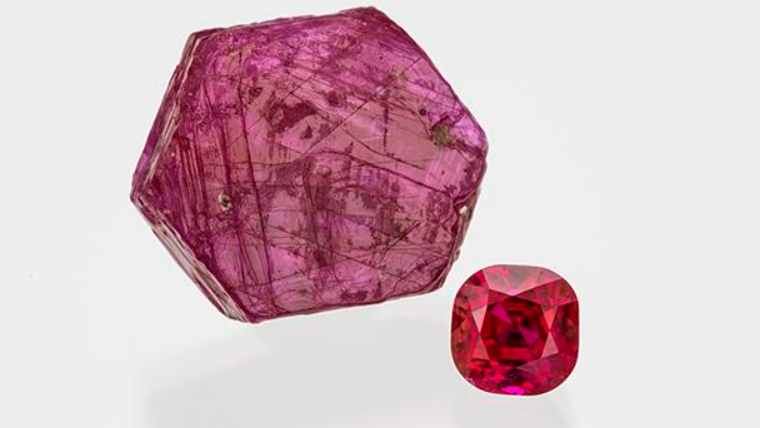
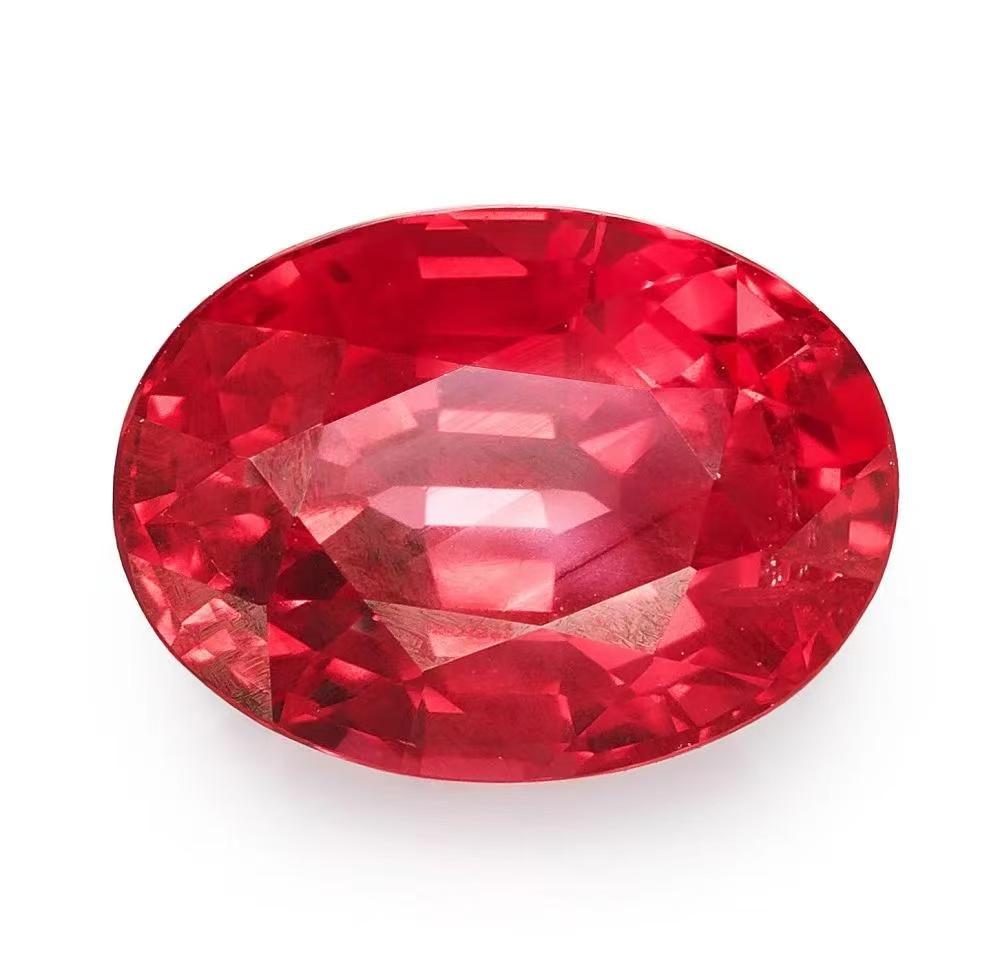
Natural rubies are gemstones that form organically deep within the Earth’s crust over millions of years. Through intense heat and pressure, these stones develop without human intervention, making each one completely unique. Once extracted, they require only cutting and polishing to reveal their natural beauty—no synthetic enhancement is involved. Because of their rarity and the complex geological processes that create them, natural rubies are often highly valued and command premium prices.
Due to the uncontrolled conditions in which they form, natural rubies often exhibit imperfections such as inclusions, color zoning, or variations in clarity. These characteristics are considered part of their charm and authenticity. Interestingly, during mining, it’s common to find different types of crystals in the same area—for example, smoky quartz, amethyst, and citrine—each distinguished by unique impurities that give them their specific hues.
Lab-Grown Rubies
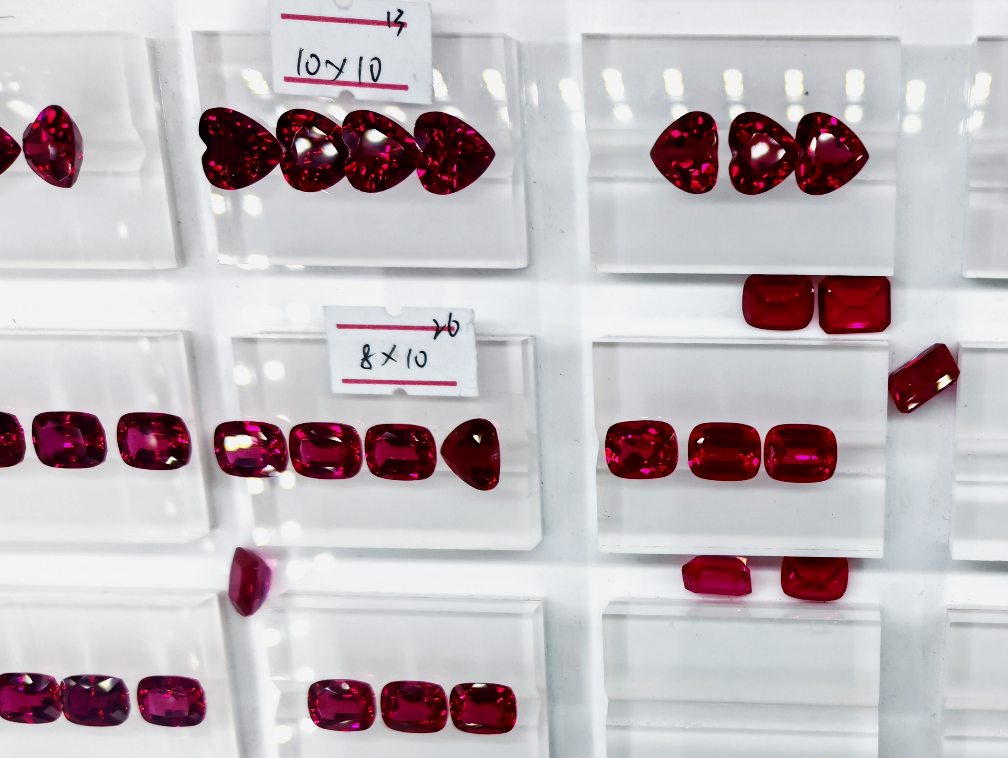
Lab-grown (or synthetic) rubies are created in a controlled laboratory environment using advanced technology that replicates the natural formation process. Typically, a small fragment of natural ruby—known as a “seed crystal”—is used to initiate the growth. The result is a gemstone that shares the same chemical composition, crystal structure, and optical properties as its natural counterpart.
Because the conditions are precisely monitored, lab-grown rubies are typically free from the inclusions and impurities found in natural stones. This results in a gem that is often “too perfect” in appearance—flawless, evenly colored, and highly brilliant. Other popular lab-created gemstones include sapphires and emeralds, which, like rubies, are prized for their beauty and accessibility.
Treated (Genuine) Rubies
Treated rubies refer to natural rubies that have undergone enhancement procedures to improve their appearance. These treatments—such as heat treatment, fracture filling, or diffusion—are common in the gemstone industry and are designed to enhance color, clarity, or luster. While still considered “genuine,” their value is typically lower than that of untreated natural rubies, as treatments can alter the stone’s integrity or long-term stability.
Which Ruby Is Right for You?
Choosing between natural, treated, and lab-grown rubies depends largely on your personal preferences, purpose, and budget. Natural rubies, especially untreated ones, are the most valuable and sought after by collectors and investors due to their rarity and potential for appreciation over time.
Lab-created rubies, on the other hand, offer an affordable yet visually stunning alternative, making them ideal for fashion-forward jewelry lovers who want the beauty of a ruby without the high price tag. Their flawless appearance and ethical sourcing appeal to modern buyers who seek both value and sustainability.
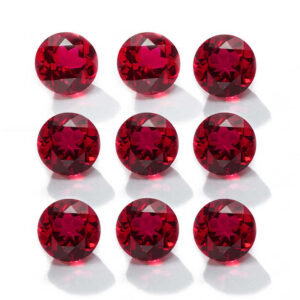
Understanding Natural vs. Lab-Grown Rubies: What You Need to Know
Purchasing a ruby—whether for personal enjoyment, as a gift, or an investment—can be a complex process, particularly in a market where not all sellers are fully transparent. One of the most common challenges buyers face is distinguishing between natural and lab-grown rubies. So, how can you tell the difference, and how do you ensure you’re making an informed choice?
While the most reliable way to identify a ruby’s origin is through professional gemological analysis, your first line of defense is a reputable jeweler. Ethical sellers should disclose whether a ruby is natural, treated, or lab-created. If a seller is vague, uncertain, or unwilling to provide clarity, it’s a red flag—and you may be better off shopping elsewhere.
To the untrained eye, natural and lab-grown rubies may appear nearly identical. Both can display vibrant red hues and exceptional brilliance. However, beneath the surface, they differ significantly in terms of origin, value, rarity, and long-term investment potential. Ultimately, your decision should be guided by a combination of personal preference, budget, and intended use—whether you’re seeking timeless rarity or practical elegance.
To help you navigate the differences confidently, here are some essential terms and distinctions to understand when comparing natural rubies and lab-grown alternatives.
How to Tell If a Ruby Is Natural or Lab-Created
Distinguishing between a natural ruby and a lab-created ruby can be challenging, especially for untrained buyers. Lab-created (also called synthetic or man-made) rubies are grown in controlled laboratory environments using advanced technology that mimics the natural formation process. As a result, these stones often exhibit the same color, brilliance, and crystal structure as natural rubies.
However, while lab-created rubies share the same chemical, physical, and optical properties as natural rubies, some other lab-grown stones—such as cubic zirconia—only mimic the visual appearance of genuine gemstones without sharing their hardness or clarity. For example, cubic zirconia resembles a diamond but lacks its durability and light performance. This highlights the importance of understanding the type of synthetic stone in question when making a purchase.
Should You Choose a Natural Ruby or a Lab-Created Ruby?
The decision ultimately depends on your priorities—whether you’re seeking rarity, value, and long-term investment, or an affordable yet beautiful alternative.
Natural rubies are rare, highly valued, and often appreciated for their uniqueness and imperfections. They’re formed over millions of years in the Earth’s crust and are prized for their rich, fiery red hues. High-quality natural rubies—especially those with minimal inclusions—can be extremely expensive and are considered collector’s items.
Lab-created rubies, on the other hand, provide an excellent alternative for those seeking the beauty of a ruby at a more accessible price point. They are ideal for everyday wear or fashion jewelry, especially if you’re on a budget but still want the visual appeal of a vivid red gemstone.
It’s important to note that the differences between natural and synthetic rubies are often indistinguishable to the naked eye and require professional gemological tools to confirm. Therefore, working with a trusted and reputable jeweler is essential. A reliable seller will disclose the origin and any treatments applied to the gemstone, helping you make an informed decision.
If you’re searching for a genuine, high-quality ruby—whether natural or lab-created—feel free to reach out to us. Our gemological expertise and commitment to transparency ensure you’ll get exactly what you’re looking for.
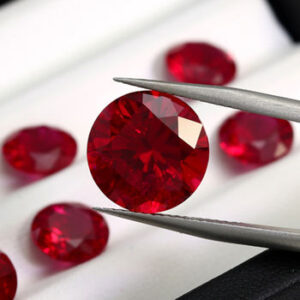
Types and Value of Rubies: A Complete Overview
What Is a Ruby?
A ruby is one of the most prized and recognizable gemstones in the world, celebrated for its vibrant red color, rarity, and remarkable durability. As a variety of the corundum mineral family, rubies are second only to diamonds in hardness, making them ideal for all types of fine jewelry. Ruby is also the birthstone for July, symbolizing passion, protection, and prosperity.
The gemstone’s vivid hue, combined with its natural brilliance and durability, has made rubies a popular choice for rings, necklaces, earrings, bracelets, and pendants. In high-end designs, natural ruby rings are often paired with diamonds to enhance their luxury appeal.
The Value of Rubies
The value of a ruby is determined by several factors, including its color, clarity, cut, and carat weight. Among these, color is the most critical—a fine, deep red ruby with high transparency can command prices of thousands of dollars per carat. Larger rubies are significantly rarer and exponentially more valuable, especially when they exhibit strong saturation and minimal inclusions.
In contrast, lab-created rubies, which are grown in controlled environments, offer a more affordable alternative. These stones are chemically and optically identical to natural rubies but are generally lower in price due to their abundant supply.
One especially notable variety is the Star Ruby, which displays a unique star-like pattern (asterism) when cut into a cabochon—a smooth, non-faceted dome shape. High-quality star rubies with clear, well-centered stars and strong color can also be extremely valuable.
Is Ruby a Type of Sapphire?
Yes and no. From a gemological perspective, ruby and sapphire both belong to the corundum family. The only distinction lies in their color: rubies are red, while sapphires encompass all other colors of corundum (blue, yellow, green, pink, etc.).
Although rubies could technically be classified as “red sapphires,” tradition and history treat them as a separate, distinct gemstone due to their symbolic significance and the cultural value placed on their unique red hue. Therefore, while chemically related, rubies are celebrated as their own gem category.
Star Rubies, Burmese Rubies, Pigeon’s Blood Rubies, and More
Star Rubies
Star rubies are a captivating variety of ruby that exhibit a phenomenon known as asterism—a six-rayed star that appears on the surface of the gemstone when viewed under direct light. This effect is caused by needle-like inclusions of rutile, commonly referred to as “silk,” aligning in specific directions. Star rubies are typically cut as cabochons, a non-faceted, dome-shaped style that enhances the visibility of the star. High-quality star rubies with sharp, centered stars and good transparency are rare and can be highly valuable.
Burmese/Burma Rubies
Burmese rubies, often considered the finest in the world, originate from the Mogok region of Myanmar (formerly Burma). These rubies are renowned for their rich red color with slight bluish undertones, sometimes described as having a “glowing” or “soft” internal light due to the presence of fine silk-like inclusions. The term “Burma Ruby” refers broadly to rubies mined in Myanmar, while “Burmese Ruby” often implies top-tier quality stones.
Geological studies suggest that ruby deposits in this region formed 4 to 5 million years ago, extending from Tajikistan through parts of India, China, and Vietnam. Due to various political and ethical sourcing concerns, access to Burmese rubies from Myanmar has become increasingly limited in recent years.
Pigeon’s Blood Rubies
Pigeon’s Blood Ruby is a trade term for rubies displaying the most desirable and intense shade of pure red, often with a slight hint of blue undertone that gives the color depth and vibrancy. The term originated in Myanmar and is said to refer to the color of the first two drops of blood from a freshly killed pigeon—an intense yet luminous red. This color is incredibly rare and commands a premium in the gemstone market.
Historically, such rubies have been revered in various cultures not just for their beauty, but also for their supposed protective and empowering properties. Ancient warriors believed that implanting a ruby under the skin would enhance strength and make them invincible in battle.
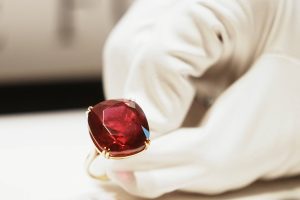
Other Varieties: Fuchsite and Zoisite Rubies
There are also non-traditional ruby composites that blend ruby with other minerals. For example:
Fuchsite Rubies are embedded in a green matrix of fuchsite (a chromium-rich variety of muscovite), resulting in a striking contrast between red and green hues.
Zoisite Rubies are opaque rubies naturally combined with green zoisite, commonly known as anyolite. These are typically polished into carvings or decorative stones rather than used in fine jewelry. While they do not carry the same gemological value as faceted rubies, they are admired for their aesthetic uniqueness and affordability.
The World’s Most Expensive Rubies
The most valuable rubies are those that display a vivid, rich red hue with just a subtle hint of blue—a color often referred to as “pigeon’s blood.” Myanmar (formerly Burma) has long been celebrated for producing these exceptional gemstones, hence the term “Burmese rubies.” While many rubies contain inclusions or imperfections, flawless natural rubies are extremely rare and can command prices higher than diamonds of the same size and quality.
Ruby Composition: Natural vs. Lab-Created
What Are Rubies Made Of?
Rubies are a variety of the corundum mineral family, the same group that includes sapphires. Pure corundum is colorless, but when chromium is present, the mineral takes on a deep red color and becomes a ruby. All other colors of gem-quality corundum—including blue, yellow, green, and pink—are classified as sapphires.
Interestingly, the star-like patterns seen in star rubies or sapphires are caused by rutile inclusions, a titanium dioxide mineral, creating a phenomenon called asterism.
Properties of Natural Rubies
Natural rubies are composed of aluminum oxide (Al₂O₃), with trace elements of chromium giving them their red color. Their density ranges from 3.99 to 4.00, and they exhibit a refractive index of approximately 1.760–1.779. On the Mohs scale of hardness, rubies score a 9, making them the second hardest natural gemstone after diamonds, which makes them extremely durable and well-suited for everyday wear.
Lab-Created Rubies
Lab-grown rubies share the exact chemical, physical, and optical properties of natural rubies. Made from aluminum oxide in highly controlled environments, these rubies can be engineered to have ideal color, clarity, and size without inclusions or imperfections. While they are virtually identical to natural rubies to the naked eye, the main difference lies in their origin and internal structure.
How to Tell the Difference: Natural vs. Lab-Created Rubies
If you’re wondering how to distinguish between natural and synthetic rubies, here are a few expert tips:
Growth lines: Natural rubies display irregular, curved growth lines, while synthetic ones often show straighter or more uniform lines, visible only under a microscope.
Gas bubbles: Lab-created rubies may contain tiny gas bubbles, a result of the manufacturing process. These are never found in natural rubies.
Chemical traces: Artificial rubies may have residual chemicals or additives not present in nature.
Clarity and price: Synthetic rubies tend to be clearer, larger, and more affordable than natural rubies of similar appearance.
To ensure authenticity, always request a gemological certificate from a recognized lab such as GIA or IGI, especially as synthetic ruby technology becomes increasingly advanced.
Ruby Pricing Guide
Ruby prices vary widely based on factors such as color, clarity, origin, cut, and size.
Entry-level commercial rubies: $100–$500 per carat
Fine-quality rubies from reputable sources: $1,000–$5,000 per carat
Top-grade rubies (especially Burmese with pigeon’s blood color): Up to $15,000 per carat or more
How to Distinguish Between Natural and Lab-Created Rubies
Lab-created rubies are often enhanced with dyes, which is one of the key differences from natural rubies. While both types of rubies are made from the same core materials, lab-created rubies are typically more affordable than their natural counterparts. They share the same chemical composition, but unlike natural rubies, they are usually free from imperfections or inclusions.
How to Verify if a Ruby is Genuine
Lab-grown rubies, also known as synthetic rubies, are created through an artificial process that simulates the natural conditions under which rubies form. This involves high pressure and high temperature, resulting in a stone that is chemically identical to a natural ruby. While lab-created rubies are indeed “real” in terms of chemical composition, they are not the same as imitation rubies, which have a different structure altogether.
To accurately determine whether a ruby is natural or lab-created, it’s essential to analyze both its physical structure and chemical composition. Despite the similarities, the use of specialized equipment can reveal subtle differences that distinguish one from the other.
FAQs
What do natural rubies look like?
Natural rubies are known for their vibrant red color, which can range from deep, blood-red shades to lighter pinkish hues. They often display unique inclusions, or “imperfections,” that give each stone a distinct character. These inclusions, known as “ruby fingerprints,” are one of the key characteristics that differentiate natural rubies from synthetic ones. The best natural rubies typically exhibit high transparency and have a brilliant luster.
How to tell a natural ruby from a lab-grown ruby?
The main difference between natural rubies and lab-grown rubies lies in their formation process. Natural rubies form over millions of years under high pressure and temperature deep within the Earth, while lab-grown rubies are created in a controlled environment, often using high-pressure, high-temperature techniques. To differentiate them, experts may look for inclusions, growth lines, and the presence of certain chemicals that indicate whether the ruby was grown in a lab or naturally formed. A certificate of authenticity is the most reliable way to confirm whether a ruby is natural or lab-grown.
Does ruby make a good engagement ring?
Yes, rubies make an excellent choice for engagement rings. They are one of the hardest gemstones, ranking 9 on the Mohs scale, which makes them durable and suitable for everyday wear. Rubies symbolize love, passion, and commitment, making them a meaningful alternative to traditional diamond engagement rings. Their vibrant color and rarity also add to their appeal, offering a unique and personal touch to an engagement ring.
Where are rubies found in nature?
Rubies are found in several locations around the world, including Myanmar (Burma), Thailand, Sri Lanka, and Africa. The most famous rubies, known as “Burmese rubies,” are found in Myanmar and are prized for their deep, intense red color. Other significant sources include Mozambique, Cambodia, and India. Rubies are typically mined from alluvial deposits, where the stones have been naturally eroded and deposited by water over time.